

Why the Office of Corporation Counsel Matters for Municipal Compliance
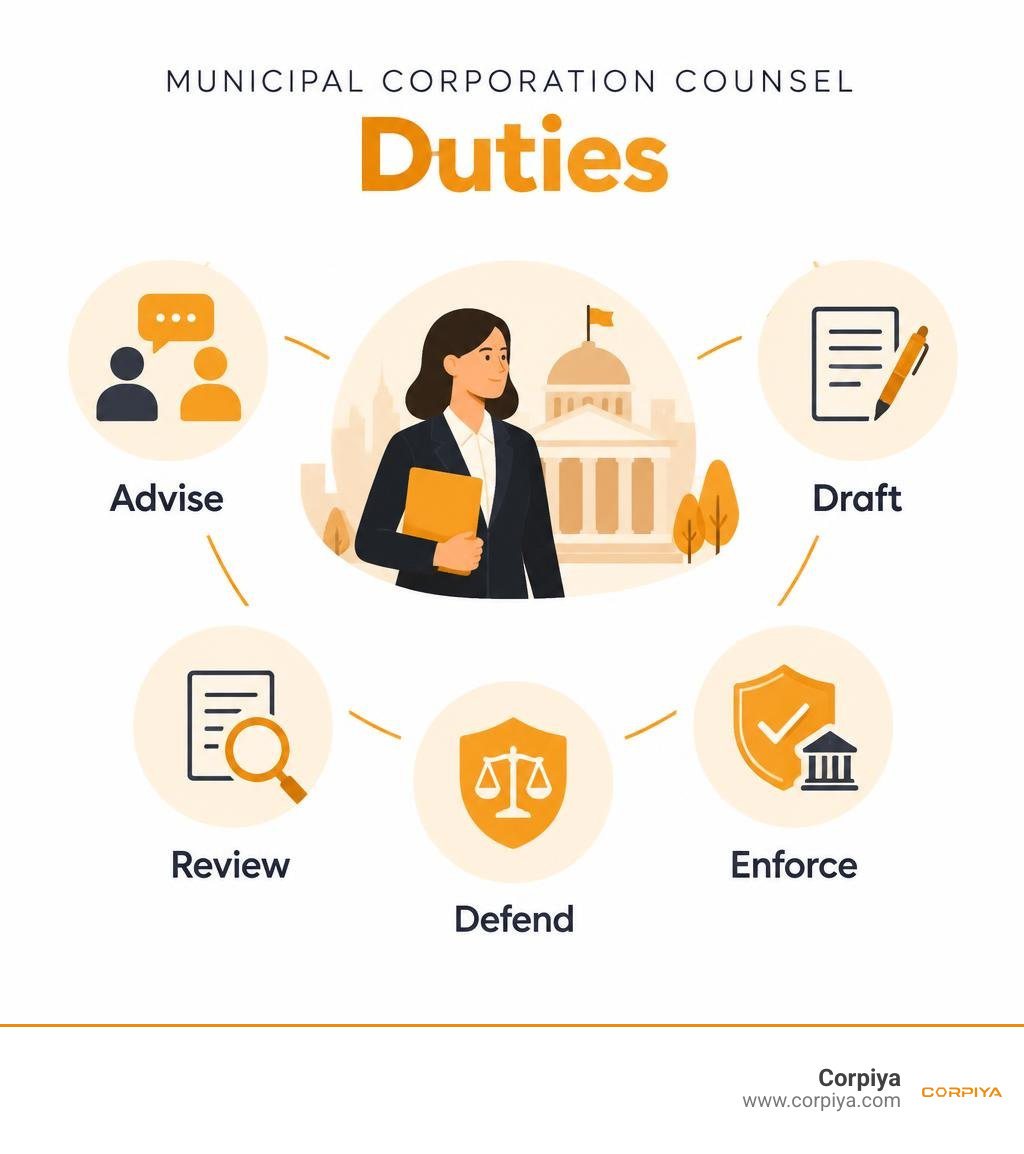
An Office of Corporation Counsel is the city or county government’s legal department. It advises elected officials and agencies, drafts and reviews ordinances and contracts, helps ensure compliance with state and federal rules, and represents the government in legal disputes.
For a business working with a municipality, this office may affect your project when you need to:
- Obtain a license, permit, lease, or franchise
- Negotiate a city contract or development agreement
- Understand a local ordinance or procurement requirement
- Respond to an enforcement issue, claim, or administrative hearing
The Corporation Counsel is usually the government’s chief lawyer. Their office works across departments such as finance, planning, public safety, transportation, and real estate. While the exact authority depends on the local charter and code, the core mission is consistent: protect public assets, reduce legal risk, and help government act within the law.
I am Sebastien Gaddini, a Principal on Corpiya’s Executive Committee, with more than 20 years of experience as an M&A attorney and adviser on complex cross-border corporate matters. That work informs my perspective on how an office of corporation counsel approaches governance, contracts, compliance, and public-sector legal risk.
Core Role and Structure of the Office of Corporation Counsel

At its foundation, a municipal corporation counsel operates as the central legal nervous system for local governance. While a private corporate enterprise answers to a board of directors and institutional shareholders, a municipal legal office serves a distinct corporate entity: the municipal corporation itself (the city, town, or county).
Under the statutory framework established by state constitutions and municipal charters, the Corporation Counsel serves as the Chief Legal Officer. In large metropolitan hubs, this office manages legal work comparable to that of international law firms. For example, municipal agencies like the Department of the Corporation Counsel in Honolulu furnish comprehensive legal advice, draft formal opinions, and oversee the municipal charter’s integrity across dozens of local boards, commissions, and operational departments.
To understand how municipal and commercial legal work intersect, it helps to examine how public-sector counsel compares to traditional private in-house counsel:
| Feature | Municipal Corporation Counsel | Private Corporate Counsel |
|---|---|---|
| Primary Client | The municipal entity (City/County, Mayor, City Council, Agencies) | The commercial enterprise (Executives, Board of Directors) |
| Guiding Mandate | Public interest, statutory compliance, municipal code enforcement | Shareholder value, commercial growth, enterprise risk management |
| Governance Framework | City Charter, Open Meetings Acts, Public Records Laws (FOIA) | Articles of Incorporation, Bylaws, Corporate Governance Codes |
| Litigation Scope | Tort claims, 42 U.S.C. § 1983 civil rights, code enforcement, zoning | Commercial contracts, intellectual property, corporate disputes |
| Authority Origin | Statutory or charter appointment by Mayor / confirmation by Council | Executive appointment by Chief Executive Officer or Board |
Internal Divisions and Departmental Organization
Because municipal governments manage everything from emergency medical services to regional airports, their legal offices are organized into specialized practice groups.

A standard municipal legal department typically features several operational divisions:
- Counseling and Drafting Division: Focuses on legislative drafting, reviewing pending city ordinances, assessing municipal finance structures, and crafting legal opinions for council members.
- Litigation Division: Defends the municipality against personal injury claims, premises liability, construction disputes, and municipal contract breaches.
- Land Use and Infrastructure Section: Oversees urban planning, zoning variances, environmental impact reviews, eminent domain proceedings, and commercial real estate acquisitions.
- Labor, Employment, and Personnel Division: Handles public-sector union negotiations, civil service compliance, employee grievance arbitrations, and workplace safety regulations.
- Special Operations / Economic Development: Structures public-private partnerships (P3s), municipal bond issuances, and strategic commercial incentives.
How an Office of Corporation Counsel Differs from Private Legal Departments
While both municipal and private in-house teams handle contracts and dispute resolution, their underlying legal principles differ significantly.
Private enterprises often balance business needs using standard in-house general counsel models or agile outside counsel arrangements. In contrast, municipal attorneys operate within administrative law restrictions, sovereign immunity doctrines, public procurement rules, and strict municipal debt limits.
Every lease, procurement agreement, or municipal settlement approved by a corporation counsel must withstand public scrutiny and comply with municipal ethics codes.
Primary Legal Duties: Advisory, Drafting, and Risk Mitigation

The day-to-day work of municipal counsel focuses on preventative law. By offering proactive legal advice before a policy is enacted, the office protects the city from costly legal challenges.
Under local statutory frameworks, such as the Indianapolis Code of Ordinances for the Corporation Counsel, the department furnishes all legal services across city-county councils, mayoral offices, and regional divisions. This includes drafting legal instruments, examining real estate titles, and reviewing surety bonds to safeguard public revenue.
Legislative Drafting and Contract Approval
Before a city council votes on a new bill or updates municipal zoning rules, the Corporation Counsel’s drafting division reviews the statutory text. Attorneys verify that proposed measures comply with state enabling statutes and constitutional protections.
Beyond legislative drafting, the office reviews and signs off on every major municipal agreement. Whether managing capital improvement projects, multi-year utility franchises, or digital infrastructure procurement, teams like the Charleston Office of Corporation Counsel ensure agreements follow public bidding rules, include required indemnification clauses, and maintain proper surety bond protections.
Regulatory Compliance and Intergovernmental Coordination
Modern municipalities operate within an intricate web of overlapping county, state, and federal regulations. The Corporation Counsel guides city agencies through this complex regulatory environment:
- State Preemption Issues: Determining whether new local ordinances run into conflict with state statutes.
- Federal Mandates: Maintaining compliance with federal standards, including the Clean Water Act, Americans with Disabilities Act (ADA), and Fair Labor Standards Act (FLSA).
- Intergovernmental Agreements (IGAs): Structuring regional cooperation pacts between neighboring cities, school boards, and county utility authorities.
- Environmental and Real Estate Governance: Managing brownfield redevelopments, stormwater management permits, and local environmental impact reviews.
Managing Municipal Litigation, Enforcement, and Defense
When disputes escalate into litigation, the legal department steps forward as the city’s primary trial and appellate advocate.
Scale varies widely by jurisdiction. The New York City Law Department serves as the nation’s largest municipal legal office, employing over 760 attorneys and 685 support professionals across 24 distinct legal divisions to manage tens of thousands of active cases each year.
Affirmative Enforcement and Ordinance Violations
Municipal counsel does not just defend lawsuits; they also lead affirmative legal actions to protect public health, safety, and revenue.
For instance, the Albany Corporation Counsel processes over 20,000 vehicle and traffic matters each year alongside hundreds of building code violations and quality-of-life cases. These enforcement actions address:
- Building and Fire Code Enforcement: Bringing negligent property owners before administrative tribunals to correct unsafe structural conditions.
- Public Nuisance Abatement: Filing civil injunctions against properties linked to ongoing illicit activity or chronic environmental hazards.
- Revenue Collection and Tax Liens: Enforcing delinquent property assessments, municipal utility fees, and unpaid local taxes.
- Consumer Protection: Taking legal action against deceptive trade practices or illegal business operations targeting local residents.
Defending Civil Claims and Section 1983 Actions
Municipalities are frequent targets of civil litigation, ranging from routine sidewalk slip-and-fall claims to complex multi-million-dollar federal civil rights lawsuits filed under 42 U.S.C. Section 1983.
The litigation division investigates these claims, drafts responsive pleadings, conducts discovery, and represents municipal personnel in federal and state court. When managing complex outside commercial partnerships, expanding enterprises often evaluate predictable subscription legal services to control corporate expenses, whereas municipal departments rely on annual public budgets to balance internal litigation staff with specialized external counsel.
Qualifications, Appointment, and Public Engagement
Leading a municipal law office requires strong legal skill combined with a clear understanding of administrative procedures and municipal ethics.
In municipal departments such as the Springfield Office of Corporation Counsel, the office blends formal legal defense with daily operational oversight, managing everything from commercial business licensing to public administrative court dockets.
Appointment Process and Statutory Authority
The Corporation Counsel is typically appointed through one of two primary governance models:
- Mayoral Appointment with Legislative Confirmation: The Mayor selects the candidate, who must then be vetted and confirmed by the City Council.
- Direct Executive Appointment: The Corporation Counsel serves at the pleasure of the executive under state municipal codes.
To qualify, candidates must hold active state bar credentials, demonstrate experience in municipal or administrative law, and maintain complete independence from outside commercial interests. When major conflicts of interest arise, or when specialized bond counsel is required, the Corporation Counsel holds statutory authority to retain outside law firms to represent the public interest.
Navigating Public Inquiries and Records Through the Office of Corporation Counsel
Because government operations are built on public transparency, municipal legal departments manage public access to legal records and formal proceedings:
- Freedom of Information Act (FOIA) Requests: Reviewing and redacting public records to protect individual privacy while meeting transparency mandates.
- Notices of Claim: Serving as the designated public intake office where individuals and businesses submit formal legal claims prior to filing a lawsuit.
- Administrative Court Hearings: Operating public hearing dockets for zoning disputes, municipal citations, and business license appeals.
Frequently Asked Questions About Municipal Legal Counsel
What is the primary duty of a municipal corporation counsel?
The primary duty of a municipal corporation counsel is to act as the chief legal officer for the municipality. They provide formal legal advice to the Mayor, City Council, and municipal agencies, draft local ordinances and commercial contracts, and represent the city in affirmative and defensive civil litigation.
How does corporation counsel represent city employees in lawsuits?
When municipal employees (such as police officers, building inspectors, or transportation personnel) are named in civil lawsuits, the Office of Corporation Counsel typically provides their legal defense, provided the employee was acting within the lawful scope of their public employment and without intentional misconduct.
How do private businesses interact with municipal counsel?
Private enterprises regularly interact with the Corporation Counsel when negotiating city procurement contracts, applying for municipal franchises (such as telecommunications or utilities), seeking complex land-use approvals, or resolving regulatory citations issued by municipal enforcement agencies.
Conclusion
Maintaining compliance with local municipal codes, administrative rules, and intergovernmental mandates is essential for private businesses, property developers, and public-sector agencies alike. The Office of Corporation Counsel serves as the legal foundation of local governance, protecting public resources while keeping municipal policies within the boundaries of state and federal law.
At Corpiya, we understand that navigating regulatory compliance, cross-border corporate governance, and complex municipal rules requires clear legal perspective. Whether your team is expanding operations into new commercial territories, structuring public-private initiatives, or streamlining regulatory oversight, Corpiya’s business advisory services provide the strategic insight and AI-driven governance tools needed to scale smoothly and remain compliant at every level.