Mexico’s 2026 Labor Reform & Outsourcing Enforcement: What Multinational Employers Must Do Now

Employment law book with Mexican flag - Mexico 2026 labor reform

Mexico’s labor enforcement environment changed in 2026 — not in policy, but in practice. Authorities are now actively inspecting, cross-referencing registries, and holding multinational employers accountable for documentation gaps they assumed no one would check.

If your organization operates in Mexico, the question is no longer whether enforcement is coming — it’s whether you’ll be ready when it does.

What Mexico’s 2026 Labor Reform Actually Requires

Mexico’s labor compliance framework has been evolving since the landmark 2021 subcontracting reform, which eliminated most forms of personnel outsourcing and created strict rules for specialized service arrangements. In 2026, enforcement has shifted from legislative transition to active inspection.

The Secretaría del Trabajo y Previsión Social (STPS) and the Instituto Mexicano del Seguro Social (IMSS) are now operating under reinforced inspection mandates. Authorities are targeting the following compliance areas simultaneously:

  • Outsourcing and subcontracting structures govern how employers engage workers through third parties. Under the 2021 reform, only companies registered in the REPSE — the Registro de Prestadoras de Servicios Especializados o de Obras Especializadas — may legally provide specialized labor services to another company. Inspectors are now actively verifying whether employers are contracting only with valid, current REPSE registrants.

  • Payroll controls and social security contributions are under heightened scrutiny. IMSS and INFONAVIT filings must align with actual payroll records. Discrepancies — even administrative ones — are generating formal observations and fines.

  • Training and skill certification obligations require employers to maintain documented, current training programs for all employees. This is a statutory requirement under the Federal Labor Law (Ley Federal del Trabajo), and inspectors are requesting records on-site.

  • Workplace safety and occupational health compliance is being verified through unannounced STPS inspections. Safety protocols, incident reporting records, and hazard identification documents must be organized and immediately accessible.

  • The 40-hour workweek transition is advancing through Mexico’s legislative process following a constitutional amendment reducing the maximum workweek from 48 to 40 hours. Employers who have not yet modeled the payroll, scheduling, and overtime impact of this change are behind.

Why This Is an Organizational Problem, Not Just a Legal One

Most labor compliance failures in Mexico do not stem from a company intentionally ignoring the law. They stem from fragmented internal structures that make compliance invisible — or impossible to demonstrate on short notice.

The enforcement gap is operational. HR teams track headcount. Payroll teams manage contributions. Legal teams review contracts. But when an inspector arrives and requests a unified compliance picture, no single team can produce it.

For multinational employers, this fragmentation is amplified. Headquarters may have no real-time visibility into whether a Mexico-based provider’s REPSE registration is current, whether training certifications are on file, or whether payroll records are reconciled with social security filings. The Mexico team assumes it is covered. Headquarters assumes the Mexico team is handling it. The audit reveals neither assumption was being verified.

Centralized entity management and compliance infrastructure — not more legal opinions — is what closes this gap.

The 7 Compliance Pressure Points for Mexico Operations in 2026

Employers with operations or teams in Mexico should treat the following as immediate review priorities:

  1. REPSE registry status of all specialized service providers. Confirm that every third-party provider engaged for specialized services holds a valid, non-expired REPSE registration. This must be checked at contract initiation and at each renewal cycle — not just once.

  2. Payroll-to-IMSS reconciliation. Verify that payroll records and IMSS contribution filings are fully aligned. Any gap between reported salaries and actual contributions creates both a fine exposure and a worker benefit liability.

  3. INFONAVIT contribution accuracy. INFONAVIT contributions must be calculated and filed correctly for all eligible employees. Errors here compound over time and are rarely self-correcting.

  4. Training program documentation. Confirm that mandatory training obligations under Articles 153-A through 153-X of the Federal Labor Law are being met and that employee-level completion records are maintained in an accessible format.

  5. Workplace safety compliance file. Verify that a current STPS safety compliance file exists, including hazard identification, safety protocols, incident history, and emergency procedures. This file must be production-ready for inspection — not reconstructed after a notice arrives.

  6. Profit-sharing (PTU) calculation accuracy. The 2021 reform introduced a cap and floor structure for profit-sharing obligations under outsourcing arrangements. Confirm your PTU calculations reflect current rules and that subcontracting arrangements properly allocate this liability.

  7. 40-hour workweek impact modeling. Begin modeling the operational and payroll cost impact of the workweek reduction now. Companies that wait for final implementing regulations to act will face compressed timelines and higher transition costs.

What Regulators Are Expecting from Multinational Employers

Mexican labor authorities are not treating multinational employers as uninformed newcomers. Inspectors are applying the same evidentiary standards to a global company’s Mexico subsidiary as they would to a domestic employer — and in some cases, holding parent companies and contracting entities to joint liability standards.

Regulators are specifically looking for the following from companies with cross-border workforce structures:

  • Documentary coherence. Records must tell a consistent story. Payroll, contracts, training logs, and social security filings must align with each other and with the actual workforce structure on the ground.

  • Structural transparency. The relationship between the employer of record, the contracting company, and the specialized service provider must be clearly documented and defensible as a lawful arrangement under the 2021 subcontracting rules.

  • Ongoing compliance, not point-in-time compliance. Registrations, certifications, and filings are expected to be current — not as of the last audit, but as of today.

  • Designated accountability. Inspectors expect to identify a responsible party within the organization who owns labor compliance. Companies that cannot produce this accountability demonstrate systemic risk.

Frequently Asked Questions: Mexico Labor Compliance 2026

What is REPSE and why does it matter for my company in Mexico?
REPSE is Mexico’s federal registry for companies that provide specialized labor or services to other businesses. Under the 2021 reform, it is illegal for a company to contract specialized workers through a provider that is not registered in REPSE. If your company engages any outsourced specialized service provider in Mexico, that provider must hold a valid, current REPSE registration — and you are responsible for verifying it. Contracting with an unregistered provider exposes your company to joint liability and administrative fines.

What are the penalties for non-compliance with Mexico’s labor outsourcing rules? Penalties include administrative fines, back-payment of social security contributions, INFONAVIT liabilities, PTU recalculations, and in cases of repeated or deliberate violations, criminal liability under the Federal Tax Code for improper deductions linked to non-compliant outsourcing arrangements. Joint and several liability means the contracting company — not just the service provider — can be held directly responsible.

How does the 40-hour workweek reform affect payroll and overtime calculations? Mexico’s constitutional amendment reduces the maximum legal workweek from 48 to 40 hours. Once fully implemented through secondary legislation, any hours worked beyond 40 in a week will qualify as overtime, subject to premium pay under the Federal Labor Law. For employers currently operating on 48-hour schedules, this represents a structural payroll cost increase unless scheduling is restructured. The transition timeline is still being defined, but the amendment is constitutional — implementation is a matter of when, not if.

What documentation does a company need to survive a Mexico labor inspection? At minimum, inspectors will request: current employment contracts for all workers, IMSS and INFONAVIT contribution records, payroll receipts (recibos de nómina) for the prior 12 months, REPSE certificates for all specialized service providers, training program records and employee-level certifications, a current workplace safety file, and documentation of PTU calculations and payments. Companies that cannot produce these records quickly and in organized form are treated as non-compliant regardless of actual practice.

Can a U.S.-based parent company be held liable for Mexico labor violations by its subsidiary or service provider?
In practice, joint and several liability provisions in Mexico’s labor reform mean that contracting parties — including foreign parent companies or U.S.-based entities that directly engage Mexican service providers — can be held liable for compliance failures down the chain. This is particularly relevant for nearshore arrangements where the U.S. entity is the contracting party. Legal exposure is not limited to the Mexico-based legal entity.

What is the difference between outsourcing and specialized services under Mexico’s 2021 reform?
The 2021 reform effectively banned traditional personnel outsourcing — where a staffing company supplies workers who perform the core business activities of the client. What is permitted is specialized services: arrangements where a provider delivers services or executes work that is not part of the client company’s primary corporate purpose. The provider must be REPSE-registered, and the arrangement must be documented with a formal service agreement specifying the scope of specialized work.

The Compliance Infrastructure Imperative

Mexico’s 2026 enforcement acceleration is a stress test for how multinational employers have structured their compliance operations. Companies that built centralized, documented, and verifiable compliance systems after the 2021 reform are positioned to pass that test. Companies that managed compliance informally — through local relationships, tribal knowledge, or periodic legal reviews — are the ones now facing audit exposure.

The underlying lesson is not specific to Mexico. Every jurisdiction in Latin America is moving toward greater formalization, registry-based enforcement, and documentary accountability. The employers who build compliance infrastructure today are the ones who will operate without disruption across the region for the next decade.

Work With Corpiya Business Services

Corpiya Advisory Services supports multinational employers across Latin America and internationally with the compliance infrastructure, entity management, and operational systems needed to stay ahead of enforcement environments like Mexico’s. From REPSE monitoring and payroll alignment to centralized entity management through our proprietary HoneyBee EMS platform, we provide the structural support that transforms compliance from a recurring risk into a managed function.

If your organization has employees, contractors, or service providers in Mexico — or is building a nearshore presence in the region — now is the right time to review your compliance posture.

📩 contact@corpiya.com 🌐 www.corpiya.com

Put These Insights Into Action

Talk to our team about how this applies to your operations — wherever your business takes you, Corpiya is ready to support your next move.

Get In Touch

Contact - Send us a message

Related Insights

Back to All Insights

Brazil’s 2026 Tax Reform: What Multinational Companies Must Do Now

Brazil's 2026 Tax Reform: What Multinational Companies Must Do Now

Brazil’s Tax Reform Is Exposing a Hidden Problem in Multinational Companies.
And it has nothing to do with tax calculation.
Brazil’s most significant tax overhaul in decades is no longer on the horizon — it is actively underway. The dual VAT reform replacing multiple legacy indirect taxes with two new frameworks, the Contribuição sobre Bens e Serviços (CBS) and the Imposto sobre Bens e Serviços (IBS), entered its implementation phase in 2026 and will run through a transition period ending in 2033.

For multinational corporations with operations, subsidiaries, or supply chain relationships in Brazil, the clock is no longer ticking. It has already started counting down.

But the most urgent challenge facing companies right now is not tax calculation. It is organizational visibility — knowing where compliance-critical information lives across legal, finance, payroll, and local country teams before regulators come asking for it.

What Is Brazil’s Dual VAT Reform (CBS + IBS)?

Brazil’s tax reform consolidates a historically fragmented indirect tax system — including PIS, COFINS, ICMS, ISS, and IPI — into a cleaner dual-VAT structure:

  • CBS (Contribuição sobre Bens e Serviços): A federal-level contribution replacing PIS and COFINS

  • IBS (Imposto sobre Bens e Serviços): A state and municipal-level tax replacing ICMS and ISS

The transition is phased between 2026 and 2033, with companies expected to operate under both legacy and new systems simultaneously during much of that window. Regulators are increasingly requiring centralized, auditable data trails across entities — not just accurate tax filings, but documented evidence of how compliance decisions were made and who was responsible for them.

Why This Reform Is Operationally Critical Right Now

The “Dual Running” Problem

During the transition period, businesses must maintain compliance under both the old and new tax frameworks simultaneously. This creates double the reporting obligations, double the risk of inconsistency, and double the demand on internal teams — most of whom were not built to manage this kind of parallel operation.

Fragmented Information Across Teams Is the Real Risk

Here is the hidden problem that Brazil’s reform is exposing: in most multinationals, compliance information is not centralized. Tax data lives in one system. Legal entity records live in another. Payroll obligations are managed locally. Finance reports upward through a separate structure entirely.

When Brazilian regulators request an auditable data trail — and they increasingly will — companies scramble. Not because the information does not exist, but because no one has a single, reliable view of it.

ERP and Invoicing Systems Are Not Ready

Many companies operating in Brazil are running ERP or invoicing configurations that predate this reform by a decade or more. The new CBS/IBS framework requires updated tax codes, new invoice fields, and different reporting formats. Legacy systems require significant remediation before they can produce compliant output under the new rules.

The 7 Operational Pressure Points of Brazil’s Tax Transition

Companies navigating this reform are finding pressure in the following areas. Use this as a readiness checklist:

  1. Multi-entity compliance coordination — Are all Brazilian subsidiaries and branches filing consistently under the transition rules?

  2. ERP and EMS integration — Have your enterprise systems been updated to support CBS/IBS tax codes and invoice formats?

  3. Invoicing system compliance — Are electronic invoices (NF-e, NFS-e) being generated correctly under the new framework?

  4. Treasury and accounting alignment — Has cash flow modeling been updated to reflect CBS/IBS timing and offset rules?

  5. Indirect tax mapping — Have all products and services been re-categorized under the new tax classification system?

  6. Corporate restructuring review — Does your current Brazil entity structure still make sense under the new tax regime?

  7. Entity-level reporting consistency — Can you produce a consistent, auditable compliance record across all Brazilian entities on demand?

If the answer to any of these is “not yet” or “we are not sure,” your organization is in a position that is increasingly common — and increasingly risky.

What Regulators Are Now Expecting From Multinationals

Brazilian tax authorities are not simply asking companies to file correctly. The direction of regulatory pressure in 2026 is toward:

  • Centralized and auditable entity data that can be produced quickly upon request

  • Demonstrated organizational readiness, not just point-in-time compliance

  • Cross-entity consistency, particularly for multinationals operating through multiple Brazilian legal entities

This shifts the compliance burden from a tax function problem to an enterprise-wide organizational problem. Finance, legal, operations, and local country teams all need to be working from the same information — and that information needs to be accessible, current, and verifiable.

Frequently Asked Questions: Brazil’s 2026 Tax Reform

  • What taxes are being replaced by Brazil’s CBS and IBS? The reform replaces PIS, COFINS, ICMS, ISS, and IPI with two new taxes: the federal CBS and the state/municipal IBS.

  • When does Brazil’s dual VAT transition end? The transition period runs from 2026 through 2033. Companies will operate under both old and new frameworks simultaneously during much of this period.

  • What is the biggest compliance risk for multinationals during the transition? Fragmented information across legal, finance, payroll, and local teams. Regulators expect centralized, auditable data trails — and most multinationals are not currently structured to produce them quickly.

  • Do ERP systems need to be updated for Brazil’s tax reform? Yes. Most legacy ERP and invoicing systems require updates to support new CBS/IBS tax codes, invoice fields, and reporting formats required under the new framework.

  • What should multinationals do now to prepare for Brazil’s tax reform? Conduct an entity-level compliance audit, assess ERP and invoicing system readiness, and establish a centralized view of compliance obligations across all Brazilian entities.

The Bottom Line: Brazil’s Reform Is an Organizational Readiness Test

Brazil’s dual VAT transition is one of the most impactful regulatory shifts affecting multinational corporations operating in Latin America today. The companies that will navigate it successfully are not necessarily those with the most sophisticated tax calculations — they are the ones with the clearest view of their own operations.

Centralized entity data. Aligned teams. Auditable records. These are the competitive advantages that will separate resilient multinationals from reactive ones between now and 2033.

How Corpiya Helps Multinationals Navigate Brazil’s Tax Transition

At Corpiya, we work with multinational corporations to bring clarity and control to exactly this kind of regulatory complexity. Our integrated approach combines Entity Management Solutions (EMS) with Corpiya Advisory Services — giving companies a unified view of compliance obligations, entity structures, and operational data across jurisdictions.

If your organization is facing fragmented information, ERP readiness gaps, or multi-entity coordination challenges ahead of Brazil’s CBS/IBS transition, we can help you build the infrastructure to meet it with confidence.

Get in touch with our team at contact@corpiya.com or visit www.corpiya.com to start the conversation.

Put These Insights Into Action

Talk to our team about how this applies to your operations — wherever your business takes you, Corpiya is ready to support your next move.

Get In Touch

Contact - Send us a message

Related Insights

Back to All Insights

Hiring Across Borders: How to Build a Team Without Breaking the Rules

Hiring Across Borders: How to Build a Team Without Breaking the Rules

Expanding your workforce internationally offers enormous opportunities—but it also comes with complex challenges. Hiring across borders requires navigating:

  • Local labor laws and employment regulations

  • Payroll and benefits compliance

  • Cultural differences that impact team dynamics

Even a small misstep can cost more than money—it can damage trust and slow growth.

Why Global Hiring Needs Local Compliance

For companies building global teams, compliance isn’t optional—it’s essential. Getting it right ensures:

  • Employees are legally protected through local employment contracts

  • Payroll is processed accurately and on time across countries (payroll management)

  • Companies stay aligned with labor law compliance

  • Smooth onboarding and operational efficiency for international teams

By addressing these areas, businesses can reduce risk, save time, and build trust with employees worldwide.

How Corpiya HR Solutions Makes Global Hiring Seamless

Corpiya HR Solutions specializes in streamlined HR processes for global organizations:

  • Local Employment Contracts – tailored agreements that meet each country’s legal requirements

  • Payroll & Benefits Management – accurate, compliant payroll across borders, including benefits administration

  • Compliance with Labor Laws – continuous monitoring of regulations to prevent costly errors

  • Expert Guidance – support from HR professionals who understand international regulations and cultural nuances

With Corpiya, companies can focus on growth while leaving the compliance and administrative work to experts.

Build Your Global Team with Peace of Mind

Expanding globally shouldn’t be stressful. Corpiya HR Solutions helps businesses:

  • Hire top talent anywhere in the world

  • Ensure local compliance in every market

  • Streamline HR operations for efficiency

  • Maintain employee trust through proper processes

Ready to expand internationally? Contact Corpiya today through the form below or email info@corpiya.com to start building your global team confidently.

Put These Insights Into Action

Talk to our team about how this applies to your operations — wherever your business takes you, Corpiya is ready to support your next move.

Get In Touch

Contact - Send us a message

Related Insights

Back to All Insights

Operational Control in Multi-Entity Businesses: How to Scale Without Losing Visibility

Operational Control in Multi-Entity Businesses: How to Scale Without Losing Visibility

As companies expand across jurisdictions, complexity increases faster than most teams anticipate.

  • New entities are formed.

  • Operations spread across countries.

  • Compliance requirements multiply.

Individually, each component is manageable. Collectively, they create a common problem: Loss of operational control.

This doesn’t happen because of a single failure. It happens gradually — through fragmented systems, disconnected processes, and lack of centralized visibility.

For growing businesses, the real challenge is not expansion. It is maintaining control while scaling.

What Is Operational Control in a Multi-Entity Structure?

Operational control refers to a company’s ability to:

  • maintain visibility across all entities

  • track compliance obligations and deadlines

  • manage legal, financial, and administrative processes consistently

  • ensure alignment between strategy and execution

In a multi-entity environment, this becomes significantly more complex due to:

  • multiple jurisdictions with different regulatory frameworks

  • varying compliance timelines and filing requirements

  • decentralized teams managing different functions

  • fragmented data across systems and providers

Without a structured approach, companies begin to lose clarity over how their organization actually operates.

Why Companies Lose Control as They Scale

Most companies do not plan for operational complexity early enough.

As a result, they rely on:

  • spreadsheets for compliance tracking

  • local advisors operating independently

  • disconnected legal, accounting, and HR processes

  • reactive decision-making instead of structured oversight

This leads to common issues such as:

  • missed filing deadlines

  • inconsistent governance practices

  • lack of real-time visibility across entities

  • delays in decision-making

  • increased regulatory and financial risk

Over time, these inefficiencies compound — especially during audits, fundraising, or expansion into new markets.

The Three Layers of Operational Control

Maintaining control across a multi-entity structure requires alignment across three core layers:

1. Legal Control (Governance & Risk Management)

Legal frameworks define how decisions are made and how risk is managed.

This includes:

  • corporate governance structures

  • contract management and risk allocation

  • regulatory compliance

  • decision-making authority and documentation

Without consistent legal oversight, companies face:

  • unclear accountability

  • contract inconsistencies

  • exposure to regulatory risk

A structured legal approach ensures that governance aligns with how the business actually operates.

2. Corporate Control (Execution & Compliance)

Corporate operations are where strategy is executed.

This includes:

  • company formation and structuring

  • annual compliance and statutory filings

  • accounting and treasury management

  • corporate secretarial and record-keeping

The challenge is not just execution — it is coordination across jurisdictions. Without centralized management, companies often experience:

  • duplicated efforts

  • inconsistent reporting

  • gaps in compliance

  • operational inefficiencies

Corporate control ensures that all entities remain compliant, aligned, and operationally consistent.

3. Technology Control (Visibility & Coordination)

Technology provides the layer that connects everything. A centralized system allows companies to:

  • track compliance obligations in real time

  • manage documents across entities

  • maintain visibility over deadlines and requirements

  • coordinate execution across teams and providers

Without technology, companies rely on manual processes that are difficult to scale. With the right system in place, they gain:

  • real-time visibility

  • improved coordination

  • faster execution

  • reduced risk of oversight

How to Maintain Control While Scaling

To maintain operational control, companies should focus on:

  • Centralization: Bring legal, corporate, and operational data into a unified structure.

  • Standardization: Create consistent processes across entities and jurisdictions.

  • Visibility: Ensure leadership has real-time insight into compliance, operations, and risk.

  • Coordination: Align internal teams and external providers under a single framework.

Operational Control as a Competitive Advantage

Companies that maintain control as they scale are able to:

  • expand into new markets faster

  • respond to regulatory changes more efficiently

  • improve financial and operational performance

  • reduce risk during transactions and audits

In contrast, companies without control often slow down as complexity increases.

How Corpiya Supports Multi-Entity Operations

Corpiya provides an integrated approach to operational control across three pillars:

  • Corpiya Counsel (Legal Services)
    U.S.-based legal support for governance, contracts, and risk management

  • Corpiya Business Services (Corporate Execution)
    Entity setup, compliance, accounting, and administrative operations across jurisdictions

  • Corpiya Tech Services (Entity Management System)
    AI-driven platform providing centralized visibility and coordination across entities

This combined approach allows companies to scale while maintaining structure, visibility, and control.

Conclusion: Control Enables Scalable Growth

Growth introduces complexity. Without structure, that complexity turns into fragmentation — across entities, teams, and jurisdictions.

Operational control is what keeps expansion aligned, visible, and executable. Companies that get this right don’t just grow faster — they operate with clarity, make better decisions, and reduce risk across every layer of the business.

Corpiya brings together legal, corporate, and technology capabilities to support multi-entity operations with structure and oversight.

Explore how Corpiya can support your global operations:
https://corpiya.com

Or contact us directly:
contact@corpiya.com

Put These Insights Into Action

Talk to our team about how this applies to your operations — wherever your business takes you, Corpiya is ready to support your next move.

Get In Touch

Contact - Send us a message

Related Insights

Back to All Insights

United States: New UBO Requirements for New York LLCs

United States: New UBO Requirements for New York LLCs

Who Must File Under the New York LLC Transparency Act?

As of 2026, the New York LLC Transparency Act (NY LLCTA) primarily requires LLCs formed under the laws of a foreign country and authorized to do business in New York to file beneficial ownership information or an attestation of exemption. LLCs formed in New York or another U.S. state are currently exempt from the Act’s beneficial ownership reporting requirements.

New York Leads on LLC Transparency

New York’s Limited Liability Company Transparency Act (NY LLCTA) took effect on January 1, 2026, creating new beneficial ownership disclosure requirements for certain foreign LLCs operating in the state. The law requires covered entities to file beneficial ownership information or an attestation of exemption with the New York Department of State and to update or reaffirm that information annually.

Federal Context: Corporate Transparency Act Changes

The federal Corporate Transparency Act (CTA) originally established broad beneficial ownership reporting requirements for U.S. businesses. However, federal rules changed significantly in 2025. U.S.-formed entities are currently exempt from federal BOI reporting, while certain entities formed under foreign law and registered to do business in the United States remain subject to federal reporting requirements.

The New York LLC Transparency Act operates at the state level and should therefore be evaluated separately from federal CTA requirements. Companies with cross-border or multi-state structures should determine which federal and state reporting obligations apply to each entity.

New York LLCTA Key Requirements

Filing Requirements

Covered entities must submit either a beneficial ownership disclosure statement or an attestation of exemption to the New York Department of State, depending on whether the entity qualifies for an applicable exemption.

LLCs formed in New York or another U.S. state or territory are currently exempt from NY LLCTA beneficial ownership reporting. However, covered foreign LLCs must comply with the Act unless they qualify for a statutory exemption.

Filing Deadlines

Covered foreign LLCs that were authorized to do business in New York before January 1, 2026, generally have until December 31, 2026 to submit their initial beneficial ownership disclosure or attestation of exemption.

Foreign LLCs authorized to do business in New York on or after January 1, 2026, generally must file within 30 calendar days of registering to do business in New York.

After the initial filing, covered entities are required to submit an annual statement confirming or updating their beneficial ownership information and other required company information.

Filing Fee

A non-refundable $25 filing fee applies to each beneficial ownership disclosure statement and attestation of exemption submitted to the New York Department of State.

Information to Disclose

Each beneficial ownership disclosure must identify every applicable ultimate beneficial owner (UBO), including:

  • Full legal name
  • Date of birth
  • Business or residential address
  • Unique identifying number from an acceptable identification document

UBO Definition

A UBO is generally an individual who:

  • Directly or indirectly owns or controls 25% or more of the LLC; or
  • Exercises substantial control over the entity

If the beneficial owner is a company or other legal entity, the individuals who ultimately own or control that entity may also need to be identified.

Confidential but Enforceable

Beneficial ownership information filed under the NY LLCTA is not publicly available through the state’s records and is exempt from disclosure under New York’s Freedom of Information Law. Access is restricted by law and may be permitted in specified circumstances, including certain government and law-enforcement purposes.

Penalties for Non-Compliance

Failure to comply with the NY LLCTA can result in escalating consequences, including:

  • Past-due status after 30 days
  • Delinquent status after two years
  • Fines of up to USD 500 per day
  • Suspension of the entity’s authority to conduct business in New York
  • Potential action to dissolve or cancel the entity

Why It Matters

The NY LLCTA signals a growing shift toward state-level beneficial ownership transparency in the absence of a uniform federal reporting framework. Companies operating across multiple states or jurisdictions may face increasing compliance complexity as state and federal requirements continue to evolve.

Early preparation can help companies identify applicable filing obligations, maintain accurate beneficial ownership records, document control structures, and coordinate compliance across jurisdictions.

How Can Corpiya Help?

Corpiya’s experts assist clients with:

  • Preparing and submitting NY LLCTA filings
  • Assessing exemption eligibility
  • Identifying and documenting ultimate beneficial owners
  • Developing multi-jurisdictional UBO compliance strategies
  • Coordinating entity compliance requirements across jurisdictions

We help businesses navigate evolving regulatory requirements while maintaining accuracy, confidentiality, and operational efficiency.

Contact us at info@corpiya.com or fill out the form below to learn more about UBO compliance services.

Put These Insights Into Action

Talk to our team about how this applies to your operations — wherever your business takes you, Corpiya is ready to support your next move.

Get In Touch

Contact - Send us a message

Related Insights

Back to All Insights

PEO vs EOR: Choosing the Right Model for Your Business

PEO vs EOR: Choosing the Right Model for Your Business

Quick answer: An Employer of Record (EOR) lets you hire staff in a new country legally without setting up your own entity — the EOR becomes the legal employer and absorbs compliance risk. A Professional Employer Organization (PEO) requires you to already have a local entity and acts as a co-employer, sharing HR administration and liability. Choose an EOR to enter a market fast with a small team; choose a PEO once you have an established entity and a larger local workforce.

When a company expands into a new country, one of the very first operational decisions — often made before the first local hire signs an offer letter — is how that person will legally be employed. Setting up a full legal entity (a subsidiary, branch, or representative office) can take anywhere from six weeks to six months depending on the jurisdiction, and it comes with ongoing obligations: local tax filings, statutory audits, registered agents, and minimum capital requirements in some countries.

For companies that want to test a market, hire a single salesperson, or move faster than entity formation allows, two models solve the problem: Employer of Record (EOR) and Professional Employer Organization (PEO). They’re frequently used interchangeably in casual conversation, but they solve different problems, carry different liability structures, and fit different stages of growth.

What Is an Employer of Record (EOR)?

An EOR is a third-party organization that becomes the legal employer of your staff in a country where you have no registered entity. The EOR:

  • Issues the local employment contract in compliance with local labor law
  • Runs payroll and remits statutory withholdings (income tax, social security, pension contributions)
  • Manages statutory benefits, leave entitlements, and termination procedures
  • Carries the legal liability for labor law compliance

You retain full control over day-to-day work: what the employee does, their targets, their reporting line, and their performance management. The EOR is invisible to the employee’s actual job — it exists purely as the compliant legal wrapper around the employment relationship.

Why this matters: Labor law violations — misclassification, incorrect severance calculations, improper termination notice — are one of the most common (and expensive) mistakes companies make when expanding internationally. An EOR shifts that specific risk off your books.

What Is a Professional Employer Organization (PEO)?

A PEO is a co-employment arrangement. Unlike an EOR, a PEO typically requires that you already have a registered legal entity in the country. Once that entity exists, the PEO steps in as a co-employer to handle:

  • Payroll processing and tax remittance
  • Benefits administration (health insurance, retirement plans)
  • HR compliance support and documentation
  • Workers’ compensation and insurance administration

Because you remain the legal employer of record on paper, you retain the primary legal employment relationship — the PEO shares administrative and some compliance liability, but doesn’t absorb it the way an EOR does.

Why this matters: PEOs are built for scale. They make the most sense once you have enough headcount in a country that outsourcing the administrative burden of HR is more valuable than outsourcing the legal risk — because at that point, you’ve already accepted the legal risk by forming the entity.

PEO vs. EOR: Head-to-Head Comparison

Factor EOR PEO
Local entity required? No Yes
Legal employer The EOR You (the client company)
Time to hire Days to a few weeks Requires entity setup first (weeks to months)
Legal liability for labor law Held by the EOR Shared, primarily retained by you
Best for First hires, market testing, small teams Established, larger local teams
Cost structure Per-employee fee, no entity overhead Entity maintenance costs + PEO service fee
Exit complexity Low — offboard through the EOR Higher — you still own the entity afterward

How to Decide: A Practical Framework

The right choice usually comes down to three questions, in this order:

1. Do you already have a legal entity in the country?

If no, an EOR is typically your only fast option — a PEO isn’t available to you until an entity exists. If yes, you can consider either, and the decision shifts to headcount and cost.

2. How many people are you hiring, and how fast?

  • 1–10 employees, first move into a market: EOR. The cost of forming and maintaining an entity for a handful of hires rarely pencils out.
  • 10+ employees, sustained presence: PEO often becomes more cost-efficient once entity overhead is already sunk, and you want more direct control over the employment relationship long-term.

3. How much legal risk are you willing to hold?

Local labor law — severance formulas, notice periods, mandatory benefits, termination procedures — varies enormously by country and changes frequently. An EOR is, in effect, a compliance transfer mechanism: you’re paying to not have to become an expert in Mexican termination law or French collective bargaining agreements. A PEO assumes you (or your in-house counsel) are willing to stay closer to that risk in exchange for lower long-term per-employee costs.

A Common Misconception Worth Correcting

Many companies assume EOR is always “temporary” and PEO is always “permanent.” That’s not quite right. Some companies run EOR indefinitely for small satellite teams (a single regional sales rep, a remote engineering hire) precisely because forming an entity for one or two people is never worth it, regardless of how long the relationship lasts. Conversely, some companies form an entity quickly for strategic reasons (tax structuring, local contracting requirements, brand presence) and use a PEO from day one, even with a small initial team.

The decision isn’t strictly about time horizon — it’s about entity economics and risk appetite at your current headcount.

Frequently Asked Questions

Can you switch from an EOR to a PEO later? Yes. A common growth path is to start with an EOR to hire your first employees in a market, then form a local entity once headcount and revenue justify it, transitioning existing employees to a PEO (or direct employment) at that point.

Is a PEO cheaper than an EOR? It depends on scale. EOR fees are typically charged per employee with no entity overhead, making them cheaper for small teams. PEOs require you to absorb entity formation and maintenance costs, which only make sense once spread across a larger headcount.

Does an EOR limit how much control I have over my employees? No. You retain full operational control — assigning work, setting goals, managing performance, and directing day-to-day activity. The EOR’s role is limited to the legal and administrative employment relationship, not how the work itself is managed.

Which model is more common for hiring a single international employee? EOR. It’s specifically designed for situations where forming a legal entity for one or a few hires isn’t practical.

How CRESCO Helps

CRESCO provides flexible global employment solutions across both models, tailored to your growth stage. Whether you’re hiring your first salesperson in France through an EOR or scaling a manufacturing plant’s workforce in Mexico through a PEO, we handle the payroll, compliance, and administrative bureaucracy so you can focus on building your team.

Planning to hire internationally without a local entity? Reach out to us at contact@corpiya.com to discuss the right structure for your next move.

Put These Insights Into Action

Talk to our team about how this applies to your operations — wherever your business takes you, Corpiya is ready to support your next move.

Get In Touch

Contact - Send us a message

Related Insights

Back to All Insights

Brazil Expansion Playbook: From Market Research to Company Formation

Brazil Expansion Playbook: From Market Research to Company Formation

Brazil is the largest economy in Latin America and one of the most attractive destinations for international expansion. With a population exceeding 215 million, a diversified industrial base, and strong domestic consumption, Brazil offers significant opportunities across sectors such as technology, manufacturing, agribusiness, energy, retail, and financial services.

At the same time, Brazil’s regulatory complexity and tax environment require careful planning and local expertise to ensure a successful market entry. Here is a step-by-step Brazil market entry guide

1) Conduct Comprehensive Market Research

A successful Brazil market entry strategy begins with a clear understanding of the market, customers, competitors, and regional differences. Brazil is not a uniform market: consumer behavior, purchasing power, infrastructure, and business conditions can vary significantly across states and regions.

Key areas to assess include:

  • Market demand: Evaluate the size of the addressable market, customer needs, purchasing behavior, and expected demand for your products or services.
  • Regional differences: São Paulo, Rio de Janeiro, the South, and the Northeast can present substantially different commercial opportunities, costs, and customer profiles.
  • Consumer and digital trends: Brazil has a large and highly connected consumer base, creating opportunities in e-commerce, digital services, fintech, technology, and mobile commerce.
  • Competitive landscape: Identify established local and international competitors, pricing models, distribution channels, and potential gaps in the market.
  • Market barriers: Assess import requirements, local regulations, taxation, infrastructure, licensing, and other factors that could affect market access.
  • Local partners and channels: Determine whether distributors, agents, strategic partners, or local service providers are necessary to reach customers efficiently.

The objective of Brazil market research is not simply to determine whether demand exists. It is to establish where the opportunity is, who the target customers are, how the market operates, and what resources are required to compete effectively.

2) Choose Your Market Entry Model

Once market demand and competitive conditions have been validated, the next step is determining how your company will establish and operate in Brazil. The appropriate market entry model depends on factors such as investment requirements, regulatory obligations, control over operations, tax considerations, and long-term growth objectives.

Common approaches include:

  • Direct export: Selling products into Brazil through cross-border channels can be appropriate for companies testing demand before establishing a local presence.
  • Distributor or local partner: Working with an established Brazilian company can provide access to local customers, distribution networks, and market knowledge while reducing the initial operational burden.
  • Commercial representation: Local representatives or agents may help develop business relationships and sales opportunities without requiring the same operational footprint as a fully established subsidiary.
  • Brazilian subsidiary or local entity: Companies pursuing long-term operations, hiring employees, signing local contracts, invoicing customers, or establishing a substantial presence may benefit from forming a Brazilian legal entity.
  • Joint venture or strategic partnership: A local partnership can provide market knowledge, relationships, infrastructure, and sector-specific expertise while sharing investment and operational responsibilities.

The right Brazil market entry model should be evaluated alongside company formation, taxation, employment, licensing, foreign investment, and operational requirements. Choosing the wrong structure can create unnecessary costs, compliance obligations, and limitations on future growth.

For companies planning a permanent presence, the decision should therefore be based not only on the fastest way to enter Brazil, but on the structure that provides the best balance of control, compliance, cost, scalability, and long-term commercial objectives.

3) Legal and Regulatory Framework

Brazil’s regulatory environment is complex and requires expert navigation:

  • Company formation: Common structures include the Limitada (Ltda.) and Sociedade Anônima (S.A.).

  • Tax system: Brazil has one of the most complex tax regimes globally, with federal, state, and municipal taxes.

  • Employment laws: Labor regulations are detailed and must be strictly followed to avoid penalties.

4) Cultural and Operational Considerations

  • Language: Portuguese is essential for contracts, operations, and customer engagement.

  • Relationship-driven business culture: Trust and long-term partnerships are highly valued.

  • Operational complexity: Logistics, customs clearance, and compliance vary by state.

5) Marketing and Go‑to‑Market Strategy

  • Localized marketing: Portuguese-language content and Brazil-specific SEO are essential.

  • Digital channels: Social media, marketplaces, and mobile commerce are key growth drivers.

  • Pricing strategy: Must account for taxes, import duties, and regional purchasing power.

6) Manage Risk Proactively

Entering the Brazilian market presents meaningful opportunities, but it also comes with distinct risks that must be actively managed. Regulatory complexity, economic volatility, and operational challenges can affect timelines, costs, and long-term profitability if not addressed early.

A proactive risk management approach—supported by local expertise and strong governance—helps companies protect their investment and maintain operational stability as they scale.

  • Regulatory risk: Frequent tax and regulatory changes require ongoing monitoring and local compliance expertise.

  • Currency volatility: Exchange rate fluctuations can impact pricing, cash flow, and profitability.

  • Operational risk: Strong local partners, clear contracts, and compliance controls are essential to reduce exposure.

Key Brazil Market Data (2020–2024)

The following indicators highlight why Brazil remains a strategic market for foreign investors:

Sources: World Bank, IMF, IBGE

These figures underscore Brazil’s market scale, purchasing power, and long-term growth potential, making it a cornerstone for regional Latin American strategies.

Corpiya Market Entry & Company Formation Services

Entering the Brazilian market successfully requires expert guidance across strategy, legal setup, and compliance. Corpiya supports international companies with end-to-end market entry and company formation services in Brazil, including entity incorporation, tax and regulatory alignment, and operational setup.

By combining local expertise with a structured expansion framework, Corpiya helps businesses reduce complexity, manage risk, and establish a compliant, scalable presence in Brazil—one of Latin America’s most challenging yet rewarding markets.

Positioning Your Business for Success in Brazil

Brazil offers unmatched scale and opportunity in Latin America, but success depends on thorough planning, regulatory compliance, and local execution. Companies that approach market entry with a clear strategy and experienced local support—such as Corpiya’s market entry and company formation services—are best positioned to achieve sustainable growth and long-term success.

If you’re ready to enter the Brazilian market with confidence, reach out to Corpiya at info@corpiya.com or fill out the form below to start building your roadmap for success.

Put These Insights Into Action

Talk to our team about how this applies to your operations — wherever your business takes you, Corpiya is ready to support your next move.

Get In Touch

Contact - Send us a message

Related Insights

Back to All Insights

Practical Guide to Market Entry in Colombia: Strategies for Success

Practical Guide to Market Entry in Colombia: Strategies for Success

Colombia is one of Latin America’s most dynamic economies, offering significant opportunities for international businesses. With a population of over 51 million and strategic access to both the Pacific and Atlantic markets, Colombia serves as a gateway to the Andean region.

However, entering the Colombian market requires a clear strategy, understanding of local regulations, and cultural adaptation. This practical guide provides actionable steps for companies aiming to expand to Colombia successfully.

1) Conduct Comprehensive Market Research

A successful entry into Colombia begins with understanding the consumer landscape:

  • Digital penetration: ~63% of the population uses the internet, indicating strong potential for digital and e‑commerce strategies. Trade.gov

  • Urban centers: Bogotá, Medellín, and Cali are key commercial hubs with strong logistics and financial ecosystems.

2) Choose Your Market Entry Model

Common approaches include:

  • Exporting: Lower cost; ideal for testing demand.

  • Joint Ventures: Local partner can help navigate regulations and build relationships.

  • Subsidiary / Branch: Best for full operational control.

  • Franchising / Licensing: Effective for retail and service brands.

3) Legal and Regulatory Framework

Foreign companies must comply with Colombian laws:

  • Company setup: The Simplified Joint Stock Company (SAS) is the most flexible and common legal structure.

  • Tax compliance: Understand VAT, corporate tax, and customs duties.

  • Employment law: Ensure compliance with local labor laws and benefits.

4) Understand Cultural and Operational Considerations

Local knowledge is invaluable:

  • Language proficiency: Spanish is essential for customer communication, marketing, and legal procedures.

  • Business culture: Relationship building and trust are critical in negotiations.

  • Payment trends: While digital payments grow, cash and bank transfers remain important.

5) Build A Targeted Go‑to‑Market Strategy

Focus on:

  • Digital marketing & local SEO: Tailor content in Spanish and optimize for Colombia‑specific search intent.

  • Local partnerships: Collaborate with distributors and trade networks.

  • Pricing strategy: Consider purchasing power and regional economic disparities.

6) Manage Risk Proactively

Important risk considerations include:

  • Economic volatility: Monitor exchange rates and GDP trends.

  • Trade balance trends: Colombia shows trade imbalances, which can affect import/export costs.

  • Foreign investment flows: Stay informed on FDI regulations and national sentiment.

Key Colombia Market Data (2020–2024)

Below is a snapshot of essential economic and demographic indicators to guide market entry decisions:

Corpiya Can Help You Succeed

Successfully entering the Colombian market requires more than strategy—it demands hands-on support from local experts. Corpiya provides comprehensive market entry and company formation services tailored to international businesses.

From registering your Simplified Joint Stock Company (SAS) and navigating taxation, to establishing local operations and compliance, Corpiya helps companies move from planning to execution with confidence. With our insights into the Colombian market and regulatory landscape, your business can accelerate growth, minimize risks, and seize opportunities in Latin America.

Is Colombia Right For Your Business?

With solid economic growth, increasing internet adoption, and an expanding consumer base, Colombia remains an attractive destination for market entry—if supported by strong research, local partnerships, and cultural insight. The data above underscores both the opportunities and pragmatic steps needed to establish a sustainable presence.

If you’re ready to enter the Colombian market with confidence, reach out to Corpiya at info@corpiya.com or fill out the form below to start building your roadmap for success.

Put These Insights Into Action

Talk to our team about how this applies to your operations — wherever your business takes you, Corpiya is ready to support your next move.

Get In Touch

Contact - Send us a message

Related Insights

Back to All Insights

Is Your Merger Really Complete? Beyond the Signature: A General Counsel’s Roadmap to Seamless Post-Merger Integration

Is Your Merger Really Complete? A General Counsel's Roadmap to Seamless Post-Merger Integration

Signing a merger agreement is a major milestone—but it is not the end of the transaction. Once the deal closes, the real work begins: integrating two organizational structures, addressing inherited risks, consolidating contracts and records, and establishing a governance framework that can support the combined company.

Every newly combined organization brings its own history, documentation practices, contracts, entities, compliance obligations, and internal processes. If these elements are not integrated intentionally, legal and operational gaps can emerge quickly.

For general counsel, corporate legal teams, and business leaders, effective post-merger integration requires more than combining people and systems. It requires a structured approach to post-closing legal integration, entity management, contract alignment, compliance, and corporate governance.

This guide outlines the key post-merger integration steps organizations should prioritize to reduce risk, maintain compliance, and create a unified corporate structure built for long-term growth.

What Should Legal Teams Do After a Merger Closes?

The post-closing period should begin with a structured review of the combined organization’s legal and corporate infrastructure. Key priorities include contracts, employment and intellectual property documentation, entity structures, compliance obligations, governance records, and dormant entities.

Addressing these areas early helps prevent inherited risks from becoming long-term liabilities.

Review and Consolidate Contracts

The moment a merger closes, contract integration becomes a priority—particularly when a larger, mature company acquires a smaller organization with less structured legal and compliance processes.

Acquired businesses may have gaps in:

  • Employment agreements
  • Intellectual property documentation
  • Commercial contracts
  • Vendor agreements
  • Customer agreements
  • Legacy obligations and commitments

Overlapping commercial agreements can create additional complexity. Two merged companies may serve the same customers or suppliers under different pricing, liability, renewal, termination, or service terms.

Legal teams should therefore identify duplicate and conflicting agreements, determine which contracts require assignment or amendment, and establish a consistent contract-management process for the combined organization.

Make the Most of the Interim Period

Not all mergers close under the same circumstances. A delayed closing can give legal and operational teams additional time to prepare, while a simultaneous signing and closing can compress the integration timeline.

Where permitted, teams can use the pre-closing period to:

  • Begin discussions with key employees
  • Prepare updated HR and intellectual property agreements
  • Map entity structures and corporate records
  • Identify critical contracts and regulatory obligations
  • Coordinate internal integration planning

These steps do not become effective until the transaction closes, but preparing in advance can significantly reduce operational disruption on Day One.

Update, Organize, and Leverage Your Corporate Structure

Once the transaction closes, organizational clarity becomes essential. Corporate records, entity information, ownership data, and structural documentation from the acquired company should be centralized and reconciled with the acquiring organization’s records.

A complete corporate entity structure can help legal teams:

  • Visualize the combined organization’s legal entities
  • Identify duplicate or redundant entities
  • Identify tax and compliance inefficiencies
  • Confirm ownership and control relationships
  • Plan entity consolidations, mergers, or dissolutions
  • Establish clear accountability for each entity

Failing to update the corporate structure can create long-term problems, including unmanaged liabilities, corporate sprawl, missed compliance obligations, and unnecessary administrative costs.

Don’t Ignore Dormant Entities

Dormant entities can become hidden sources of risk after a merger if they are left unmanaged. Missing records, unclear ownership responsibilities, and outdated filings can create unexpected liabilities long after the transaction closes.

Legal teams should:

  • Maintain an accurate inventory of dormant and inactive entities.
  • Assign clear ownership and accountability for each entity.
  • Conduct periodic compliance and status reviews.
  • Confirm that required filings, licenses, and registrations remain current.
  • Apply the same governance and compliance discipline used for active entities.

By institutionalizing this oversight, dormant entities become manageable components of the corporate structure rather than overlooked sources of risk.

Build a Post-Merger Compliance Calendar You Can Trust

A merger can introduce a new universe of compliance deadlines across multiple entities and jurisdictions, including:

  • Contract renewals
  • License and permit expirations
  • Annual and statutory filings
  • Tax and regulatory deadlines
  • Corporate governance requirements
  • Registered-agent and registered-office obligations
  • Jurisdiction-specific compliance requirements

Missing deadlines after a merger can result in fines, loss of good standing, regulatory complications, or operational delays.

A reliable post-merger compliance calendar should combine deadlines, responsible parties, document requirements, automated reminders, and workflow tracking. When technology is implemented intentionally, it becomes more than a database—it becomes a governance system that helps keep the combined organization accountable.

Why Entity Management Matters After a Merger

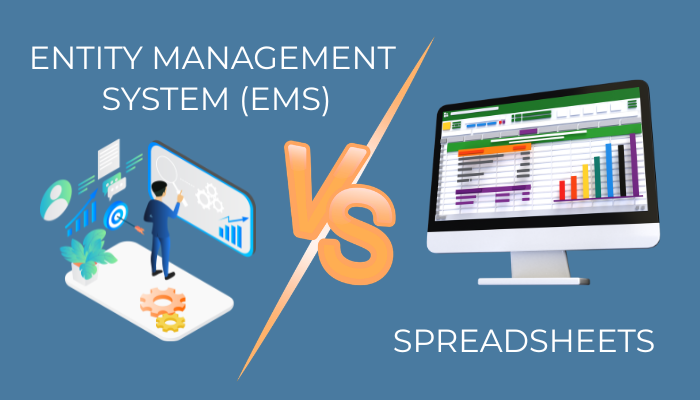
Post-merger integration often exposes weaknesses in corporate entity management. Information may be distributed across spreadsheets, legal files, accounting systems, local providers, and disconnected internal databases.

Centralizing entity information gives legal and compliance teams a single source of truth for:

  • Legal entity details
  • Ownership and control information
  • Directors and officers
  • Jurisdictional registrations
  • Corporate documents
  • Filing deadlines
  • Compliance status
  • Intercompany relationships

This visibility allows general counsel and corporate legal teams to identify gaps faster, coordinate responsibilities, and make informed decisions about the future structure of the combined organization.

How Corpiya Helps With Post-Merger Integration

Corpiya’s legal, corporate, and entity-management capabilities help organizations bring structure and visibility to the post-merger environment. We support companies with:

  • Reviewing and updating corporate records, contracts, and governance documentation
  • Centralizing and rationalizing multi-entity structures
  • Identifying redundant, dormant, or unnecessary entities
  • Building reliable compliance calendars and governance frameworks
  • Tracking entity-level filings, registrations, and obligations
  • Supporting entity consolidation, restructuring, and post-merger integration
  • Ensuring alignment with local regulations across jurisdictions

Corpiya combines legal and corporate expertise with technology-enabled entity management to help organizations move from fragmented post-merger operations to a unified, transparent governance structure.

From Merger Closing to Long-Term Integration

Closing a merger is a legal milestone, not the completion of integration. The organizations that realize the full value of a transaction are those that address the legal, structural, contractual, and compliance implications of the combined business early.

For general counsel and corporate legal teams, a disciplined post-merger integration process can reduce inherited risk, eliminate unnecessary complexity, strengthen governance, and create a scalable foundation for future growth.

Corpiya helps organizations manage that transition with greater visibility, accountability, and control—so the newly combined company can operate as one organization rather than two businesses connected by a transaction agreement.

Have questions about post-merger integration, corporate entity management, or multi-jurisdictional compliance? Contact us at info@corpiya.com or fill out the form below to learn how Corpiya can help your organization integrate with confidence.

Put These Insights Into Action

Talk to our team about how this applies to your operations — wherever your business takes you, Corpiya is ready to support your next move.

Get In Touch

Contact - Send us a message

Related Insights

Back to All Insights

Is Peru Setting the Standard for AI Governance in Latin America?

Is Peru Setting the Standard for AI Governance in Latin America?

Peru is emerging as one of Latin America’s leading jurisdictions for artificial intelligence regulation. With Law No. 31814, which promotes the use of artificial intelligence for the country’s economic and social development, and its implementing Regulation approved through Supreme Decree No. 115-2025-PCM, Peru has established a comprehensive framework for the responsible development and use of AI. The Regulation was approved on September 9, 2025.

For businesses operating in Peru, the framework goes beyond encouraging innovation. It establishes expectations around AI risk classification, transparency, human oversight, protection of fundamental rights, and responsible use of AI systems.

As AI increasingly influences healthcare, finance, education, public services, employment, and business operations, understanding Peru’s AI regulations is becoming an important part of technology governance, regulatory compliance, and risk management.

What Does Peru’s AI Regulation Require?

Peru’s AI framework establishes a risk-based approach to artificial intelligence and seeks to ensure that AI is developed and used safely, ethically, transparently, sustainably, and inclusively while respecting fundamental rights. The Secretariat of Government and Digital Transformation (SGTD) plays a central role in coordinating the country’s AI governance framework and providing technical and regulatory guidance.

For businesses, this means AI governance can no longer be treated solely as an IT or innovation issue. Organizations using AI should consider how systems are selected, documented, monitored, deployed, and overseen throughout their lifecycle.

Peru’s AI Risk Classification: What Businesses Need to Know

The Regulation classifies AI systems and uses according to the risks they may create. This approach is designed to protect fundamental rights while allowing organizations to continue developing and adopting beneficial AI technologies.

Prohibited or Improper Uses

Certain uses of AI are not permitted because of their potential to manipulate individuals, undermine fundamental rights, or create unacceptable risks.

Examples include:

  • AI systems that manipulate or deceive individuals in ways that influence decision-making without adequate awareness
  • Autonomous lethal weapons that operate without human supervision
  • Mass surveillance without an appropriate legal basis or where it disproportionately affects fundamental rights
  • Certain biometric systems used to infer sensitive characteristics or identify individuals in real time in public spaces, subject to specific legal exceptions

These restrictions demonstrate that Peru’s AI framework is focused not only on technological performance but also on protecting individual rights and preventing harmful applications of artificial intelligence.

High-Risk AI Systems

Higher-risk applications require stronger governance, safeguards, and oversight. Areas addressed by the framework include applications involving sectors and decisions where AI can have significant effects on individuals or society.

Examples include:

  • Education and access to educational opportunities
  • Healthcare and other sensitive services
  • Employment and workforce-related decision-making
  • Financial services and credit-related decisions
  • Social programs and public services
  • Critical infrastructure and other sensitive environments

Organizations using higher-risk AI systems should be prepared to address requirements related to transparency, documentation, human oversight, risk management, and accountability.

What Does the Peru AI Act Mean for Businesses?

Companies operating in Peru should treat AI compliance as part of their broader corporate governance and regulatory risk framework.

Key priorities include:

  • AI inventory: Identify the AI systems, tools, vendors, and applications used across the organization.
  • Risk classification: Determine which AI applications may create elevated regulatory, operational, or rights-related risks.
  • Governance policies: Establish clear internal rules governing the acquisition, development, deployment, monitoring, and retirement of AI systems.
  • Human oversight: Define who is responsible for reviewing AI-supported decisions and intervening when necessary.
  • Documentation: Maintain records demonstrating how AI systems are evaluated, implemented, monitored, and governed.
  • Transparency: Establish processes for communicating when and how AI is being used, particularly where individuals may be affected by AI-generated decisions or outputs.
  • Vendor oversight: Evaluate third-party AI providers and incorporate appropriate compliance, security, transparency, and accountability requirements into contracts.
  • Regulatory monitoring: Track changes to Peru’s AI framework and related technical standards as implementation continues.

The framework provides organizations with time to adapt, but companies should not interpret transitional periods as a reason to postpone governance. Building an AI compliance framework early can reduce regulatory risk and create a stronger foundation for responsible AI adoption.

Why AI Governance Can Become a Competitive Advantage in Peru

AI regulation does not have to be viewed solely as a compliance burden. Organizations that establish effective AI governance can use it to strengthen trust with customers, employees, business partners, investors, and regulators.

A structured AI governance program can also help companies:

  • Identify AI-related risks before they become compliance or reputational problems
  • Create consistent standards across business units and jurisdictions
  • Improve accountability for AI-supported decisions
  • Demonstrate responsible technology practices to customers and partners
  • Align local operations with international AI governance principles
  • Build a scalable foundation for future AI adoption

For multinational companies, Peru’s framework is particularly relevant because AI governance increasingly intersects with data protection, cybersecurity, employment, consumer protection, corporate governance, and cross-border compliance.

What Should Companies Do Now?

Organizations using or planning to deploy AI in Peru should begin by establishing a clear understanding of their current AI footprint.

A practical starting point includes:

  1. Identify AI use cases across departments, subsidiaries, and business functions.
  2. Map AI vendors and systems and determine what data and decisions each system affects.
  3. Classify potential risks based on the purpose and impact of each AI application.
  4. Document governance responsibilities so ownership of AI compliance is clearly established.
  5. Review contracts and vendor controls for transparency, data protection, security, and accountability requirements.
  6. Establish monitoring and review processes for higher-risk AI systems.
  7. Track regulatory developments as Peru continues implementing and refining its AI governance framework.

Taking these steps early can help businesses move from reactive compliance to proactive AI governance.

How Corpiya Helps Companies Navigate Peru’s AI Framework

Corpiya supports organizations entering or operating in Peru by helping them understand and operationalize emerging AI governance requirements.

Our support can include:

  • Assessing AI risk classifications and applicable obligations
  • Developing internal AI governance and compliance policies
  • Establishing documentation and oversight processes
  • Supporting impact and risk assessments for higher-risk AI systems
  • Reviewing third-party AI and technology arrangements
  • Coordinating compliance requirements across multiple entities and jurisdictions
  • Monitoring regulatory developments affecting AI and corporate operations

Navigating Peru’s AI framework can involve complex compliance requirements, documentation, and coordination across business units and legal entities. Corpiya combines regulatory and operational expertise with technology-enabled entity management to help organizations maintain visibility over their corporate structures, obligations, documentation, and compliance deadlines.

Corpiya’s AI-driven Entity Management System centralizes entity data, automates workflows, tracks deadlines, and supports ongoing compliance management across jurisdictions. This integrated approach helps organizations establish stronger governance infrastructure while continuing to pursue responsible AI adoption.

The Future of AI Governance in Latin America

Peru’s AI framework represents an important development in the region’s approach to artificial intelligence regulation. By establishing rules around responsible AI use, risk, transparency, and protection of fundamental rights, Peru is helping shape the direction of AI governance in Latin America.

For companies operating in Peru, the priority is no longer simply understanding what AI can do. It is understanding how AI should be governed, documented, monitored, and deployed responsibly.

Organizations that build AI governance into their operating model now will be better positioned to manage regulatory change, protect stakeholder trust, and scale AI responsibly as the regulatory landscape continues to evolve.

For more information or tailored support, including how our AI-driven Entity Management System can streamline compliance and entity governance, fill out the form below or contact us at info@corpiya.com.

Put These Insights Into Action

Talk to our team about how this applies to your operations — wherever your business takes you, Corpiya is ready to support your next move.

Get In Touch

Contact - Send us a message

Related Insights

Back to All Insights