
United States: New UBO Requirements for New York LLCs

United States: New UBO Requirements for New York LLCs

Who Must File Under the New York LLC Transparency Act?

As of 2026, the New York LLC Transparency Act (NY LLCTA) primarily requires LLCs formed under the laws of a foreign country and authorized to do business in New York to file beneficial ownership information or an attestation of exemption. LLCs formed in New York or another U.S. state are currently exempt from the Act’s beneficial ownership reporting requirements.

New York Leads on LLC Transparency

New York’s Limited Liability Company Transparency Act (NY LLCTA) took effect on January 1, 2026, creating new beneficial ownership disclosure requirements for certain foreign LLCs operating in the state. The law requires covered entities to file beneficial ownership information or an attestation of exemption with the New York Department of State and to update or reaffirm that information annually.

Federal Context: Corporate Transparency Act Changes

The federal Corporate Transparency Act (CTA) originally established broad beneficial ownership reporting requirements for U.S. businesses. However, federal rules changed significantly in 2025. U.S.-formed entities are currently exempt from federal BOI reporting, while certain entities formed under foreign law and registered to do business in the United States remain subject to federal reporting requirements.

The New York LLC Transparency Act operates at the state level and should therefore be evaluated separately from federal CTA requirements. Companies with cross-border or multi-state structures should determine which federal and state reporting obligations apply to each entity.

New York LLCTA Key Requirements

Filing Requirements

Covered entities must submit either a beneficial ownership disclosure statement or an attestation of exemption to the New York Department of State, depending on whether the entity qualifies for an applicable exemption.

LLCs formed in New York or another U.S. state or territory are currently exempt from NY LLCTA beneficial ownership reporting. However, covered foreign LLCs must comply with the Act unless they qualify for a statutory exemption.

Filing Deadlines

Covered foreign LLCs that were authorized to do business in New York before January 1, 2026, generally have until December 31, 2026 to submit their initial beneficial ownership disclosure or attestation of exemption.

Foreign LLCs authorized to do business in New York on or after January 1, 2026, generally must file within 30 calendar days of registering to do business in New York.

After the initial filing, covered entities are required to submit an annual statement confirming or updating their beneficial ownership information and other required company information.

Filing Fee

A non-refundable $25 filing fee applies to each beneficial ownership disclosure statement and attestation of exemption submitted to the New York Department of State.

Information to Disclose

Each beneficial ownership disclosure must identify every applicable ultimate beneficial owner (UBO), including:

  • Full legal name
  • Date of birth
  • Business or residential address
  • Unique identifying number from an acceptable identification document

UBO Definition

A UBO is generally an individual who:

  • Directly or indirectly owns or controls 25% or more of the LLC; or
  • Exercises substantial control over the entity

If the beneficial owner is a company or other legal entity, the individuals who ultimately own or control that entity may also need to be identified.

Confidential but Enforceable

Beneficial ownership information filed under the NY LLCTA is not publicly available through the state’s records and is exempt from disclosure under New York’s Freedom of Information Law. Access is restricted by law and may be permitted in specified circumstances, including certain government and law-enforcement purposes.

Penalties for Non-Compliance

Failure to comply with the NY LLCTA can result in escalating consequences, including:

  • Past-due status after 30 days
  • Delinquent status after two years
  • Fines of up to USD 500 per day
  • Suspension of the entity’s authority to conduct business in New York
  • Potential action to dissolve or cancel the entity

Why It Matters

The NY LLCTA signals a growing shift toward state-level beneficial ownership transparency in the absence of a uniform federal reporting framework. Companies operating across multiple states or jurisdictions may face increasing compliance complexity as state and federal requirements continue to evolve.

Early preparation can help companies identify applicable filing obligations, maintain accurate beneficial ownership records, document control structures, and coordinate compliance across jurisdictions.

How Can Corpiya Help?

Corpiya’s experts assist clients with:

  • Preparing and submitting NY LLCTA filings
  • Assessing exemption eligibility
  • Identifying and documenting ultimate beneficial owners
  • Developing multi-jurisdictional UBO compliance strategies
  • Coordinating entity compliance requirements across jurisdictions

We help businesses navigate evolving regulatory requirements while maintaining accuracy, confidentiality, and operational efficiency.

Contact us at info@corpiya.com or fill out the form below to learn more about UBO compliance services.

Put These Insights Into Action

Talk to our team about how this applies to your operations — wherever your business takes you, Corpiya is ready to support your next move.

Get In Touch

Contact - Send us a message

Related Insights

Back to All Insights

Brazil Expansion Playbook: From Market Research to Company Formation

Brazil Expansion Playbook: From Market Research to Company Formation

Brazil is the largest economy in Latin America and one of the most attractive destinations for international expansion. With a population exceeding 215 million, a diversified industrial base, and strong domestic consumption, Brazil offers significant opportunities across sectors such as technology, manufacturing, agribusiness, energy, retail, and financial services.

At the same time, Brazil’s regulatory complexity and tax environment require careful planning and local expertise to ensure a successful market entry. Here is a step-by-step Brazil market entry guide

1) Conduct Comprehensive Market Research

A successful Brazil market entry strategy begins with a clear understanding of the market, customers, competitors, and regional differences. Brazil is not a uniform market: consumer behavior, purchasing power, infrastructure, and business conditions can vary significantly across states and regions.

Key areas to assess include:

  • Market demand: Evaluate the size of the addressable market, customer needs, purchasing behavior, and expected demand for your products or services.
  • Regional differences: São Paulo, Rio de Janeiro, the South, and the Northeast can present substantially different commercial opportunities, costs, and customer profiles.
  • Consumer and digital trends: Brazil has a large and highly connected consumer base, creating opportunities in e-commerce, digital services, fintech, technology, and mobile commerce.
  • Competitive landscape: Identify established local and international competitors, pricing models, distribution channels, and potential gaps in the market.
  • Market barriers: Assess import requirements, local regulations, taxation, infrastructure, licensing, and other factors that could affect market access.
  • Local partners and channels: Determine whether distributors, agents, strategic partners, or local service providers are necessary to reach customers efficiently.

The objective of Brazil market research is not simply to determine whether demand exists. It is to establish where the opportunity is, who the target customers are, how the market operates, and what resources are required to compete effectively.

2) Choose Your Market Entry Model

Once market demand and competitive conditions have been validated, the next step is determining how your company will establish and operate in Brazil. The appropriate market entry model depends on factors such as investment requirements, regulatory obligations, control over operations, tax considerations, and long-term growth objectives.

Common approaches include:

  • Direct export: Selling products into Brazil through cross-border channels can be appropriate for companies testing demand before establishing a local presence.
  • Distributor or local partner: Working with an established Brazilian company can provide access to local customers, distribution networks, and market knowledge while reducing the initial operational burden.
  • Commercial representation: Local representatives or agents may help develop business relationships and sales opportunities without requiring the same operational footprint as a fully established subsidiary.
  • Brazilian subsidiary or local entity: Companies pursuing long-term operations, hiring employees, signing local contracts, invoicing customers, or establishing a substantial presence may benefit from forming a Brazilian legal entity.
  • Joint venture or strategic partnership: A local partnership can provide market knowledge, relationships, infrastructure, and sector-specific expertise while sharing investment and operational responsibilities.

The right Brazil market entry model should be evaluated alongside company formation, taxation, employment, licensing, foreign investment, and operational requirements. Choosing the wrong structure can create unnecessary costs, compliance obligations, and limitations on future growth.

For companies planning a permanent presence, the decision should therefore be based not only on the fastest way to enter Brazil, but on the structure that provides the best balance of control, compliance, cost, scalability, and long-term commercial objectives.

3) Legal and Regulatory Framework

Brazil’s regulatory environment is complex and requires expert navigation:

  • Company formation: Common structures include the Limitada (Ltda.) and Sociedade Anônima (S.A.).

  • Tax system: Brazil has one of the most complex tax regimes globally, with federal, state, and municipal taxes.

  • Employment laws: Labor regulations are detailed and must be strictly followed to avoid penalties.

4) Cultural and Operational Considerations

  • Language: Portuguese is essential for contracts, operations, and customer engagement.

  • Relationship-driven business culture: Trust and long-term partnerships are highly valued.

  • Operational complexity: Logistics, customs clearance, and compliance vary by state.

5) Marketing and Go‑to‑Market Strategy

  • Localized marketing: Portuguese-language content and Brazil-specific SEO are essential.

  • Digital channels: Social media, marketplaces, and mobile commerce are key growth drivers.

  • Pricing strategy: Must account for taxes, import duties, and regional purchasing power.

6) Manage Risk Proactively

Entering the Brazilian market presents meaningful opportunities, but it also comes with distinct risks that must be actively managed. Regulatory complexity, economic volatility, and operational challenges can affect timelines, costs, and long-term profitability if not addressed early.

A proactive risk management approach—supported by local expertise and strong governance—helps companies protect their investment and maintain operational stability as they scale.

  • Regulatory risk: Frequent tax and regulatory changes require ongoing monitoring and local compliance expertise.

  • Currency volatility: Exchange rate fluctuations can impact pricing, cash flow, and profitability.

  • Operational risk: Strong local partners, clear contracts, and compliance controls are essential to reduce exposure.

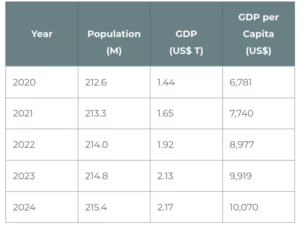
Key Brazil Market Data (2020–2024)

The following indicators highlight why Brazil remains a strategic market for foreign investors:

Sources: World Bank, IMF, IBGE

These figures underscore Brazil’s market scale, purchasing power, and long-term growth potential, making it a cornerstone for regional Latin American strategies.

Corpiya Market Entry & Company Formation Services

Entering the Brazilian market successfully requires expert guidance across strategy, legal setup, and compliance. Corpiya supports international companies with end-to-end market entry and company formation services in Brazil, including entity incorporation, tax and regulatory alignment, and operational setup.

By combining local expertise with a structured expansion framework, Corpiya helps businesses reduce complexity, manage risk, and establish a compliant, scalable presence in Brazil—one of Latin America’s most challenging yet rewarding markets.

Positioning Your Business for Success in Brazil

Brazil offers unmatched scale and opportunity in Latin America, but success depends on thorough planning, regulatory compliance, and local execution. Companies that approach market entry with a clear strategy and experienced local support—such as Corpiya’s market entry and company formation services—are best positioned to achieve sustainable growth and long-term success.

If you’re ready to enter the Brazilian market with confidence, reach out to Corpiya at info@corpiya.com or fill out the form below to start building your roadmap for success.

Put These Insights Into Action

Talk to our team about how this applies to your operations — wherever your business takes you, Corpiya is ready to support your next move.

Get In Touch

Contact - Send us a message

Related Insights

Back to All Insights

Practical Guide to Market Entry in Colombia: Strategies for Success

Practical Guide to Market Entry in Colombia: Strategies for Success

Colombia is one of Latin America’s most dynamic economies, offering significant opportunities for international businesses. With a population of over 51 million and strategic access to both the Pacific and Atlantic markets, Colombia serves as a gateway to the Andean region.

However, entering the Colombian market requires a clear strategy, understanding of local regulations, and cultural adaptation. This practical guide provides actionable steps for companies aiming to expand to Colombia successfully.

1) Conduct Comprehensive Market Research

A successful entry into Colombia begins with understanding the consumer landscape:

  • Digital penetration: ~63% of the population uses the internet, indicating strong potential for digital and e‑commerce strategies. Trade.gov

  • Urban centers: Bogotá, Medellín, and Cali are key commercial hubs with strong logistics and financial ecosystems.

2) Choose Your Market Entry Model

Common approaches include:

  • Exporting: Lower cost; ideal for testing demand.

  • Joint Ventures: Local partner can help navigate regulations and build relationships.

  • Subsidiary / Branch: Best for full operational control.

  • Franchising / Licensing: Effective for retail and service brands.

3) Legal and Regulatory Framework

Foreign companies must comply with Colombian laws:

  • Company setup: The Simplified Joint Stock Company (SAS) is the most flexible and common legal structure.

  • Tax compliance: Understand VAT, corporate tax, and customs duties.

  • Employment law: Ensure compliance with local labor laws and benefits.

4) Understand Cultural and Operational Considerations

Local knowledge is invaluable:

  • Language proficiency: Spanish is essential for customer communication, marketing, and legal procedures.

  • Business culture: Relationship building and trust are critical in negotiations.

  • Payment trends: While digital payments grow, cash and bank transfers remain important.

5) Build A Targeted Go‑to‑Market Strategy

Focus on:

  • Digital marketing & local SEO: Tailor content in Spanish and optimize for Colombia‑specific search intent.

  • Local partnerships: Collaborate with distributors and trade networks.

  • Pricing strategy: Consider purchasing power and regional economic disparities.

6) Manage Risk Proactively

Important risk considerations include:

  • Economic volatility: Monitor exchange rates and GDP trends.

  • Trade balance trends: Colombia shows trade imbalances, which can affect import/export costs.

  • Foreign investment flows: Stay informed on FDI regulations and national sentiment.

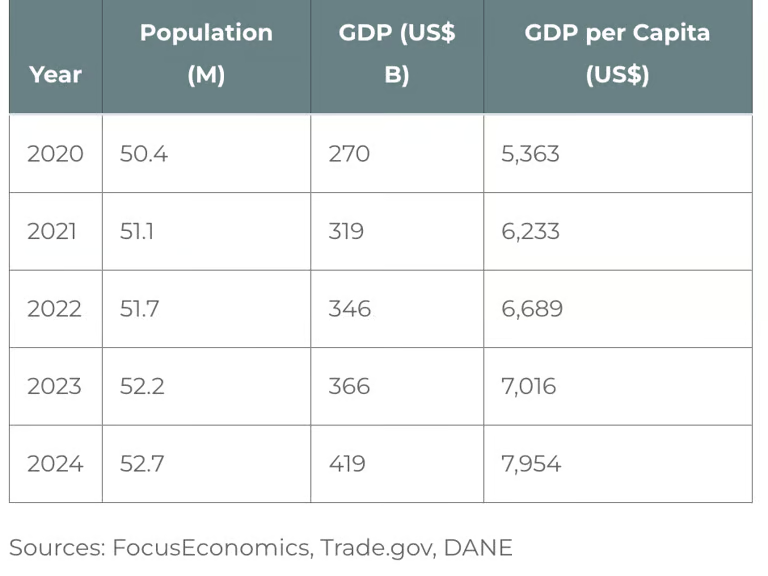
Key Colombia Market Data (2020–2024)

Below is a snapshot of essential economic and demographic indicators to guide market entry decisions:

Corpiya Can Help You Succeed

Successfully entering the Colombian market requires more than strategy—it demands hands-on support from local experts. Corpiya provides comprehensive market entry and company formation services tailored to international businesses.

From registering your Simplified Joint Stock Company (SAS) and navigating taxation, to establishing local operations and compliance, Corpiya helps companies move from planning to execution with confidence. With our insights into the Colombian market and regulatory landscape, your business can accelerate growth, minimize risks, and seize opportunities in Latin America.

Is Colombia Right For Your Business?

With solid economic growth, increasing internet adoption, and an expanding consumer base, Colombia remains an attractive destination for market entry—if supported by strong research, local partnerships, and cultural insight. The data above underscores both the opportunities and pragmatic steps needed to establish a sustainable presence.

If you’re ready to enter the Colombian market with confidence, reach out to Corpiya at info@corpiya.com or fill out the form below to start building your roadmap for success.

Put These Insights Into Action

Talk to our team about how this applies to your operations — wherever your business takes you, Corpiya is ready to support your next move.

Get In Touch

Contact - Send us a message

Related Insights

Back to All Insights

Is Your Merger Really Complete? Beyond the Signature: A General Counsel’s Roadmap to Seamless Post-Merger Integration

Is Your Merger Really Complete? A General Counsel's Roadmap to Seamless Post-Merger Integration

Signing a merger agreement is a major milestone—but it is not the end of the transaction. Once the deal closes, the real work begins: integrating two organizational structures, addressing inherited risks, consolidating contracts and records, and establishing a governance framework that can support the combined company.

Every newly combined organization brings its own history, documentation practices, contracts, entities, compliance obligations, and internal processes. If these elements are not integrated intentionally, legal and operational gaps can emerge quickly.

For general counsel, corporate legal teams, and business leaders, effective post-merger integration requires more than combining people and systems. It requires a structured approach to post-closing legal integration, entity management, contract alignment, compliance, and corporate governance.

This guide outlines the key post-merger integration steps organizations should prioritize to reduce risk, maintain compliance, and create a unified corporate structure built for long-term growth.

What Should Legal Teams Do After a Merger Closes?

The post-closing period should begin with a structured review of the combined organization’s legal and corporate infrastructure. Key priorities include contracts, employment and intellectual property documentation, entity structures, compliance obligations, governance records, and dormant entities.

Addressing these areas early helps prevent inherited risks from becoming long-term liabilities.

Review and Consolidate Contracts

The moment a merger closes, contract integration becomes a priority—particularly when a larger, mature company acquires a smaller organization with less structured legal and compliance processes.

Acquired businesses may have gaps in:

  • Employment agreements
  • Intellectual property documentation
  • Commercial contracts
  • Vendor agreements
  • Customer agreements
  • Legacy obligations and commitments

Overlapping commercial agreements can create additional complexity. Two merged companies may serve the same customers or suppliers under different pricing, liability, renewal, termination, or service terms.

Legal teams should therefore identify duplicate and conflicting agreements, determine which contracts require assignment or amendment, and establish a consistent contract-management process for the combined organization.

Make the Most of the Interim Period

Not all mergers close under the same circumstances. A delayed closing can give legal and operational teams additional time to prepare, while a simultaneous signing and closing can compress the integration timeline.

Where permitted, teams can use the pre-closing period to:

  • Begin discussions with key employees
  • Prepare updated HR and intellectual property agreements
  • Map entity structures and corporate records
  • Identify critical contracts and regulatory obligations
  • Coordinate internal integration planning

These steps do not become effective until the transaction closes, but preparing in advance can significantly reduce operational disruption on Day One.

Update, Organize, and Leverage Your Corporate Structure

Once the transaction closes, organizational clarity becomes essential. Corporate records, entity information, ownership data, and structural documentation from the acquired company should be centralized and reconciled with the acquiring organization’s records.

A complete corporate entity structure can help legal teams:

  • Visualize the combined organization’s legal entities
  • Identify duplicate or redundant entities
  • Identify tax and compliance inefficiencies
  • Confirm ownership and control relationships
  • Plan entity consolidations, mergers, or dissolutions
  • Establish clear accountability for each entity

Failing to update the corporate structure can create long-term problems, including unmanaged liabilities, corporate sprawl, missed compliance obligations, and unnecessary administrative costs.

Don’t Ignore Dormant Entities

Dormant entities can become hidden sources of risk after a merger if they are left unmanaged. Missing records, unclear ownership responsibilities, and outdated filings can create unexpected liabilities long after the transaction closes.

Legal teams should:

  • Maintain an accurate inventory of dormant and inactive entities.
  • Assign clear ownership and accountability for each entity.
  • Conduct periodic compliance and status reviews.
  • Confirm that required filings, licenses, and registrations remain current.
  • Apply the same governance and compliance discipline used for active entities.

By institutionalizing this oversight, dormant entities become manageable components of the corporate structure rather than overlooked sources of risk.

Build a Post-Merger Compliance Calendar You Can Trust

A merger can introduce a new universe of compliance deadlines across multiple entities and jurisdictions, including:

  • Contract renewals
  • License and permit expirations
  • Annual and statutory filings
  • Tax and regulatory deadlines
  • Corporate governance requirements
  • Registered-agent and registered-office obligations
  • Jurisdiction-specific compliance requirements

Missing deadlines after a merger can result in fines, loss of good standing, regulatory complications, or operational delays.

A reliable post-merger compliance calendar should combine deadlines, responsible parties, document requirements, automated reminders, and workflow tracking. When technology is implemented intentionally, it becomes more than a database—it becomes a governance system that helps keep the combined organization accountable.

Why Entity Management Matters After a Merger

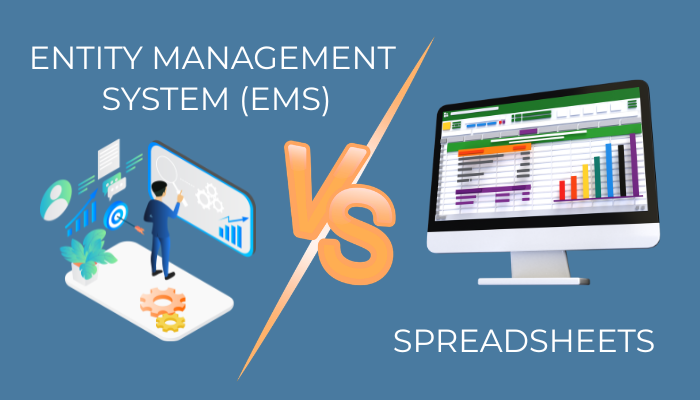
Post-merger integration often exposes weaknesses in corporate entity management. Information may be distributed across spreadsheets, legal files, accounting systems, local providers, and disconnected internal databases.

Centralizing entity information gives legal and compliance teams a single source of truth for:

  • Legal entity details
  • Ownership and control information
  • Directors and officers
  • Jurisdictional registrations
  • Corporate documents
  • Filing deadlines
  • Compliance status
  • Intercompany relationships

This visibility allows general counsel and corporate legal teams to identify gaps faster, coordinate responsibilities, and make informed decisions about the future structure of the combined organization.

How Corpiya Helps With Post-Merger Integration

Corpiya’s legal, corporate, and entity-management capabilities help organizations bring structure and visibility to the post-merger environment. We support companies with:

  • Reviewing and updating corporate records, contracts, and governance documentation
  • Centralizing and rationalizing multi-entity structures
  • Identifying redundant, dormant, or unnecessary entities
  • Building reliable compliance calendars and governance frameworks
  • Tracking entity-level filings, registrations, and obligations
  • Supporting entity consolidation, restructuring, and post-merger integration
  • Ensuring alignment with local regulations across jurisdictions

Corpiya combines legal and corporate expertise with technology-enabled entity management to help organizations move from fragmented post-merger operations to a unified, transparent governance structure.

From Merger Closing to Long-Term Integration

Closing a merger is a legal milestone, not the completion of integration. The organizations that realize the full value of a transaction are those that address the legal, structural, contractual, and compliance implications of the combined business early.

For general counsel and corporate legal teams, a disciplined post-merger integration process can reduce inherited risk, eliminate unnecessary complexity, strengthen governance, and create a scalable foundation for future growth.

Corpiya helps organizations manage that transition with greater visibility, accountability, and control—so the newly combined company can operate as one organization rather than two businesses connected by a transaction agreement.

Have questions about post-merger integration, corporate entity management, or multi-jurisdictional compliance? Contact us at info@corpiya.com or fill out the form below to learn how Corpiya can help your organization integrate with confidence.

Put These Insights Into Action

Talk to our team about how this applies to your operations — wherever your business takes you, Corpiya is ready to support your next move.

Get In Touch

Contact - Send us a message

Related Insights

Back to All Insights

Is Peru Setting the Standard for AI Governance in Latin America?

Is Peru Setting the Standard for AI Governance in Latin America?

Peru is emerging as one of Latin America’s leading jurisdictions for artificial intelligence regulation. With Law No. 31814, which promotes the use of artificial intelligence for the country’s economic and social development, and its implementing Regulation approved through Supreme Decree No. 115-2025-PCM, Peru has established a comprehensive framework for the responsible development and use of AI. The Regulation was approved on September 9, 2025.

For businesses operating in Peru, the framework goes beyond encouraging innovation. It establishes expectations around AI risk classification, transparency, human oversight, protection of fundamental rights, and responsible use of AI systems.

As AI increasingly influences healthcare, finance, education, public services, employment, and business operations, understanding Peru’s AI regulations is becoming an important part of technology governance, regulatory compliance, and risk management.

What Does Peru’s AI Regulation Require?

Peru’s AI framework establishes a risk-based approach to artificial intelligence and seeks to ensure that AI is developed and used safely, ethically, transparently, sustainably, and inclusively while respecting fundamental rights. The Secretariat of Government and Digital Transformation (SGTD) plays a central role in coordinating the country’s AI governance framework and providing technical and regulatory guidance.

For businesses, this means AI governance can no longer be treated solely as an IT or innovation issue. Organizations using AI should consider how systems are selected, documented, monitored, deployed, and overseen throughout their lifecycle.

Peru’s AI Risk Classification: What Businesses Need to Know

The Regulation classifies AI systems and uses according to the risks they may create. This approach is designed to protect fundamental rights while allowing organizations to continue developing and adopting beneficial AI technologies.

Prohibited or Improper Uses

Certain uses of AI are not permitted because of their potential to manipulate individuals, undermine fundamental rights, or create unacceptable risks.

Examples include:

  • AI systems that manipulate or deceive individuals in ways that influence decision-making without adequate awareness
  • Autonomous lethal weapons that operate without human supervision
  • Mass surveillance without an appropriate legal basis or where it disproportionately affects fundamental rights
  • Certain biometric systems used to infer sensitive characteristics or identify individuals in real time in public spaces, subject to specific legal exceptions

These restrictions demonstrate that Peru’s AI framework is focused not only on technological performance but also on protecting individual rights and preventing harmful applications of artificial intelligence.

High-Risk AI Systems

Higher-risk applications require stronger governance, safeguards, and oversight. Areas addressed by the framework include applications involving sectors and decisions where AI can have significant effects on individuals or society.

Examples include:

  • Education and access to educational opportunities
  • Healthcare and other sensitive services
  • Employment and workforce-related decision-making
  • Financial services and credit-related decisions
  • Social programs and public services
  • Critical infrastructure and other sensitive environments

Organizations using higher-risk AI systems should be prepared to address requirements related to transparency, documentation, human oversight, risk management, and accountability.

What Does the Peru AI Act Mean for Businesses?

Companies operating in Peru should treat AI compliance as part of their broader corporate governance and regulatory risk framework.

Key priorities include:

  • AI inventory: Identify the AI systems, tools, vendors, and applications used across the organization.
  • Risk classification: Determine which AI applications may create elevated regulatory, operational, or rights-related risks.
  • Governance policies: Establish clear internal rules governing the acquisition, development, deployment, monitoring, and retirement of AI systems.
  • Human oversight: Define who is responsible for reviewing AI-supported decisions and intervening when necessary.
  • Documentation: Maintain records demonstrating how AI systems are evaluated, implemented, monitored, and governed.
  • Transparency: Establish processes for communicating when and how AI is being used, particularly where individuals may be affected by AI-generated decisions or outputs.
  • Vendor oversight: Evaluate third-party AI providers and incorporate appropriate compliance, security, transparency, and accountability requirements into contracts.
  • Regulatory monitoring: Track changes to Peru’s AI framework and related technical standards as implementation continues.

The framework provides organizations with time to adapt, but companies should not interpret transitional periods as a reason to postpone governance. Building an AI compliance framework early can reduce regulatory risk and create a stronger foundation for responsible AI adoption.

Why AI Governance Can Become a Competitive Advantage in Peru

AI regulation does not have to be viewed solely as a compliance burden. Organizations that establish effective AI governance can use it to strengthen trust with customers, employees, business partners, investors, and regulators.

A structured AI governance program can also help companies:

  • Identify AI-related risks before they become compliance or reputational problems
  • Create consistent standards across business units and jurisdictions
  • Improve accountability for AI-supported decisions
  • Demonstrate responsible technology practices to customers and partners
  • Align local operations with international AI governance principles
  • Build a scalable foundation for future AI adoption

For multinational companies, Peru’s framework is particularly relevant because AI governance increasingly intersects with data protection, cybersecurity, employment, consumer protection, corporate governance, and cross-border compliance.

What Should Companies Do Now?

Organizations using or planning to deploy AI in Peru should begin by establishing a clear understanding of their current AI footprint.

A practical starting point includes:

  1. Identify AI use cases across departments, subsidiaries, and business functions.
  2. Map AI vendors and systems and determine what data and decisions each system affects.
  3. Classify potential risks based on the purpose and impact of each AI application.
  4. Document governance responsibilities so ownership of AI compliance is clearly established.
  5. Review contracts and vendor controls for transparency, data protection, security, and accountability requirements.
  6. Establish monitoring and review processes for higher-risk AI systems.
  7. Track regulatory developments as Peru continues implementing and refining its AI governance framework.

Taking these steps early can help businesses move from reactive compliance to proactive AI governance.

How Corpiya Helps Companies Navigate Peru’s AI Framework

Corpiya supports organizations entering or operating in Peru by helping them understand and operationalize emerging AI governance requirements.

Our support can include:

  • Assessing AI risk classifications and applicable obligations
  • Developing internal AI governance and compliance policies
  • Establishing documentation and oversight processes
  • Supporting impact and risk assessments for higher-risk AI systems
  • Reviewing third-party AI and technology arrangements
  • Coordinating compliance requirements across multiple entities and jurisdictions
  • Monitoring regulatory developments affecting AI and corporate operations

Navigating Peru’s AI framework can involve complex compliance requirements, documentation, and coordination across business units and legal entities. Corpiya combines regulatory and operational expertise with technology-enabled entity management to help organizations maintain visibility over their corporate structures, obligations, documentation, and compliance deadlines.

Corpiya’s AI-driven Entity Management System centralizes entity data, automates workflows, tracks deadlines, and supports ongoing compliance management across jurisdictions. This integrated approach helps organizations establish stronger governance infrastructure while continuing to pursue responsible AI adoption.

The Future of AI Governance in Latin America

Peru’s AI framework represents an important development in the region’s approach to artificial intelligence regulation. By establishing rules around responsible AI use, risk, transparency, and protection of fundamental rights, Peru is helping shape the direction of AI governance in Latin America.

For companies operating in Peru, the priority is no longer simply understanding what AI can do. It is understanding how AI should be governed, documented, monitored, and deployed responsibly.

Organizations that build AI governance into their operating model now will be better positioned to manage regulatory change, protect stakeholder trust, and scale AI responsibly as the regulatory landscape continues to evolve.

For more information or tailored support, including how our AI-driven Entity Management System can streamline compliance and entity governance, fill out the form below or contact us at info@corpiya.com.

Put These Insights Into Action

Talk to our team about how this applies to your operations — wherever your business takes you, Corpiya is ready to support your next move.

Get In Touch

Contact - Send us a message

Related Insights

Back to All Insights

Updated Anti-Money Laundering Law is Here: Is Your Business Ready for EU Ownership Transparency?

Updated Anti-Money Laundering Law is Here: Is Your Business Ready for EU Ownership Transparency?

The EU is raising the bar on transparency—and it could affect your business sooner than you think. But what does this really mean, and how can you prepare without getting lost in the complexity?

The Sixth Anti-Money Laundering Directive (AMLD6), along with the Anti-Money Laundering Regulation (AMLR) and the new AML Authority (AMLA), is the EU’s most comprehensive update to combat money laundering and terrorist financing. These rules will change how companies track, report, and verify beneficial ownership—and noncompliance can carry serious consequences, from fines to reputational damage.

Why Beneficial Ownership Transparency Matters

Have you ever wondered who truly owns a company? That’s exactly what AMLD6 wants to clarify. The directive ensures that the “real owners” of companies, trusts, and other legal arrangements are clearly documented and accessible to authorities—and even to the public under certain circumstances.

Member States will maintain central beneficial ownership registers with detailed, up-to-date information. Bank, payment, securities, and crypto accounts will also be traceable through interconnected EU systems. Financial Intelligence Units (FIUs) gain expanded powers to analyze transactions, suspend suspicious activity, and cooperate across borders—all while protecting fundamental rights.

For businesses, this means one thing: transparency is no longer optional. Getting it right reduces risk, prevents financial crime, and builds trust with partners, investors, and regulators.

How Corpiya Supports Compliance

AMLD6’s requirements touch on areas where Corpiya’s solutions naturally support businesses:

Entity Management & Compliance
Companies must maintain accurate, up-to-date ownership records. Corpiya centralizes and automates these records, making it easier to comply with beneficial ownership disclosure rules.

Global Corporate Secretarial Support
Different EU jurisdictions may implement AMLD6 in varying ways. Corpiya helps businesses manage filings, ownership updates, and regulatory reporting across all markets, ensuring consistent compliance.

Data Management & Transparency Tools
With transparency at the heart of AMLD6, Corpiya’s secure data solutions allow ownership information to be stored, tracked, and accessed for audits or regulatory checks, helping meet EU standards for disclosure and accountability.

Preparing for the Future

Deadlines for AMLD6 transposition range from 2025 to 2029, giving companies time—but not forever.

To stay ahead, businesses should:

  • Review AML and CFT policies

  • Strengthen beneficial ownership verification

  • Use technology for monitoring and reporting

  • Conduct risk assessments across all operations

The right preparation today allows organizations to navigate AMLD6 confidently while keeping operations smooth and compliant.

Don’t Wait to Get Compliant

AMLD6 isn’t just a regulatory hurdle—it’s a chance to strengthen transparency, reduce risk, and build trust across your organization. Corpiya makes compliance simpler, safer, and smarter.

The benefits of Corpiya’s services in supporting compliance with AMLD6 can be seen across entity management, corporate secretarial support, and data transparency—helping businesses meet the directive’s requirements with confidence.

Reach out to info@corpiya.com or fill out the form below to start simplifying compliance and regulatory requirements for your business.

Put These Insights Into Action

Talk to our team about how this applies to your operations — wherever your business takes you, Corpiya is ready to support your next move.

Get In Touch

Contact - Send us a message

Related Insights

Back to All Insights

What Every Leader Should Know About Global Expansion

What Every Leader Should Know About Global Expansion

Mergers, acquisitions, and international expansion open doors to opportunity—but they also expose businesses to significant complexity. From regulatory compliance and tax structuring to cultural nuances and ESG requirements, global growth is rarely straightforward. Many leaders underestimate these challenges until they’re already causing delays, costs, or missed opportunities.

That’s where advisory services become a critical advantage. Partnering with experienced advisors means businesses can make bold moves with clarity, minimize risk, and focus on sustainable growth.

Why Advisory Services Matter

Going global is more than paperwork and registrations—it’s a strategic shift. Hiring the right advisory firm provides:

  • Specialized Expertise – Advisors bring deep knowledge of local laws, tax frameworks, and compliance requirements that would take years for a business to build internally.
  • Strategic Foresight – Advisory services help anticipate risks, whether in market entry, mergers, or cross-border compliance, turning potential obstacles into proactive strategies.
  • Operational Efficiency – By outsourcing complex tasks like tax structuring, ESG reporting, or due diligence, businesses free up internal teams to focus on growth and innovation.
  • Risk Reduction – Missteps in compliance or partner selection can have long-term costs. Advisors provide safeguards to avoid costly mistakes.
  • Sustainable Growth – With guidance on ESG standards and responsible practices, companies can build trust and resilience in new markets.


The Hidden Costs of Going It Alone

Some organizations hesitate to bring in external advisors, believing they can manage market entry or M&A internally. But the hidden costs of this approach often outweigh the savings:

  • Compliance missteps that lead to penalties or delays in operations
  • Inefficient tax structures that increase expenses year after year
  • Poor partner choices that compromise long-term strategy
  • Integration challenges after acquisitions that slow momentum
  • Overlooked ESG obligations that damage brand reputation


Advisory firms help businesses avoid these pitfalls, ensuring that expansion efforts create value instead of unnecessary risk.

Why Businesses Trust Advisors for Expansion

At their core, advisory services are about confidence and clarity. Leaders can move forward knowing that every decision—from entity setup to merger integration—is backed by expert insight and proven strategy. By leveraging both global knowledge and local expertise, businesses gain:

  • Clearer pathways into new markets
  • Stronger decision-making supported by data and analysis
  • Streamlined compliance and tax processes
  • Long-term strategies designed for scalability and sustainability


Make Bold Moves With Confidence

Global expansion doesn’t have to be overwhelming. By working with the right advisory partner, businesses can transform complexity into opportunity—navigating market entry, M&A, and compliance with ease.

👉 If you’re ready to expand with confidence, contact us through the form below or email info@corpiya.com to learn how advisory expertise can support your next bold move.

Put These Insights Into Action

Talk to our team about how this applies to your operations — wherever your business takes you, Corpiya is ready to support your next move.

Get In Touch

Contact - Send us a message

Related Insights

Back to All Insights