Is Peru Setting the Standard for AI Governance in Latin America?

Is Peru Setting the Standard for AI Governance in Latin America?

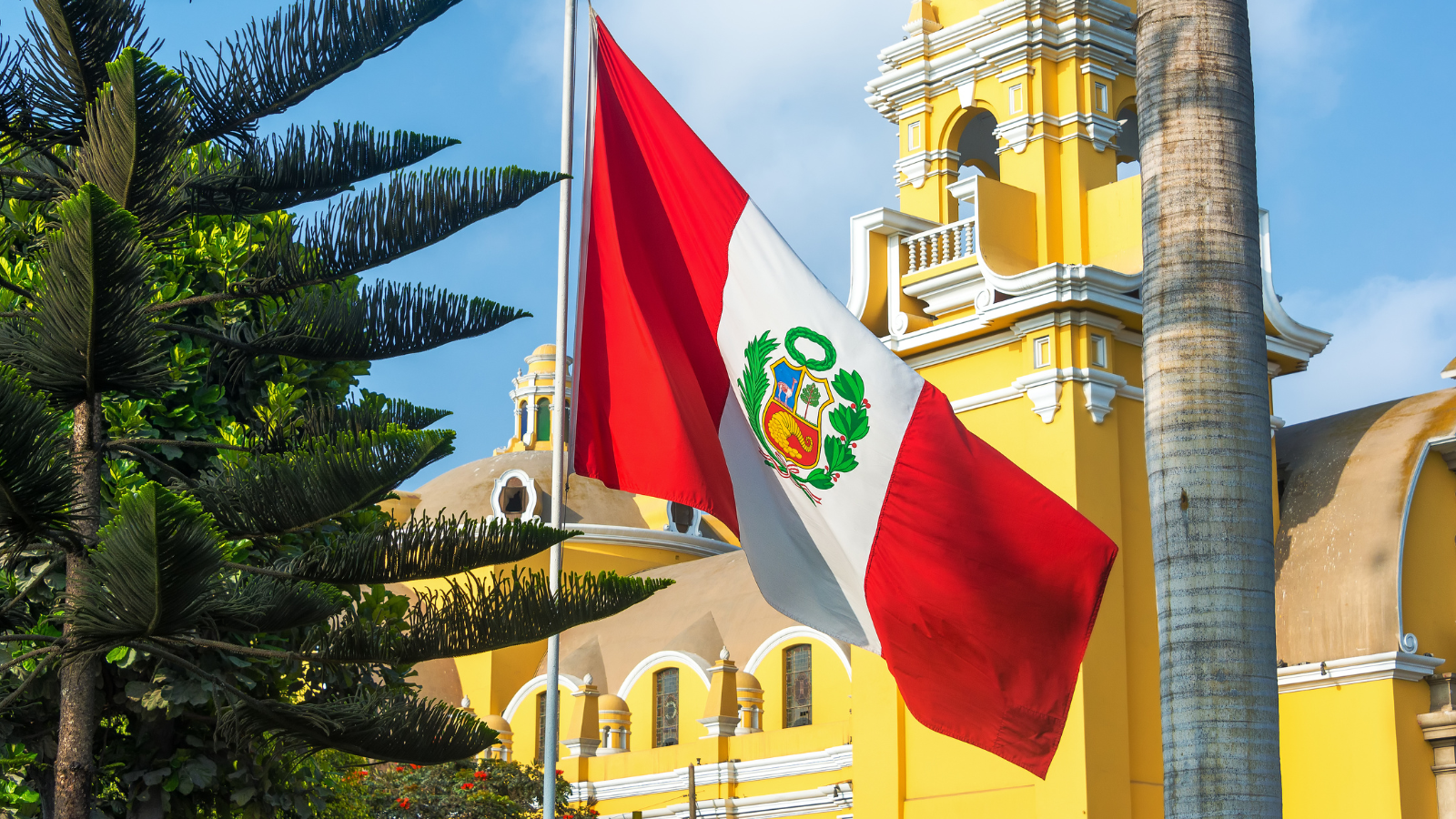
Peru is emerging as one of Latin America’s leading jurisdictions for artificial intelligence regulation. With Law No. 31814, which promotes the use of artificial intelligence for the country’s economic and social development, and its implementing Regulation approved through Supreme Decree No. 115-2025-PCM, Peru has established a comprehensive framework for the responsible development and use of AI. The Regulation was approved on September 9, 2025.

For businesses operating in Peru, the framework goes beyond encouraging innovation. It establishes expectations around AI risk classification, transparency, human oversight, protection of fundamental rights, and responsible use of AI systems.

As AI increasingly influences healthcare, finance, education, public services, employment, and business operations, understanding Peru’s AI regulations is becoming an important part of technology governance, regulatory compliance, and risk management.

What Does Peru’s AI Regulation Require?

Peru’s AI framework establishes a risk-based approach to artificial intelligence and seeks to ensure that AI is developed and used safely, ethically, transparently, sustainably, and inclusively while respecting fundamental rights. The Secretariat of Government and Digital Transformation (SGTD) plays a central role in coordinating the country’s AI governance framework and providing technical and regulatory guidance.

For businesses, this means AI governance can no longer be treated solely as an IT or innovation issue. Organizations using AI should consider how systems are selected, documented, monitored, deployed, and overseen throughout their lifecycle.

Peru’s AI Risk Classification: What Businesses Need to Know

The Regulation classifies AI systems and uses according to the risks they may create. This approach is designed to protect fundamental rights while allowing organizations to continue developing and adopting beneficial AI technologies.

Prohibited or Improper Uses

Certain uses of AI are not permitted because of their potential to manipulate individuals, undermine fundamental rights, or create unacceptable risks.

Examples include:

  • AI systems that manipulate or deceive individuals in ways that influence decision-making without adequate awareness
  • Autonomous lethal weapons that operate without human supervision
  • Mass surveillance without an appropriate legal basis or where it disproportionately affects fundamental rights
  • Certain biometric systems used to infer sensitive characteristics or identify individuals in real time in public spaces, subject to specific legal exceptions

These restrictions demonstrate that Peru’s AI framework is focused not only on technological performance but also on protecting individual rights and preventing harmful applications of artificial intelligence.

High-Risk AI Systems

Higher-risk applications require stronger governance, safeguards, and oversight. Areas addressed by the framework include applications involving sectors and decisions where AI can have significant effects on individuals or society.

Examples include:

  • Education and access to educational opportunities
  • Healthcare and other sensitive services
  • Employment and workforce-related decision-making
  • Financial services and credit-related decisions
  • Social programs and public services
  • Critical infrastructure and other sensitive environments

Organizations using higher-risk AI systems should be prepared to address requirements related to transparency, documentation, human oversight, risk management, and accountability.

What Does the Peru AI Act Mean for Businesses?

Companies operating in Peru should treat AI compliance as part of their broader corporate governance and regulatory risk framework.

Key priorities include:

  • AI inventory: Identify the AI systems, tools, vendors, and applications used across the organization.
  • Risk classification: Determine which AI applications may create elevated regulatory, operational, or rights-related risks.
  • Governance policies: Establish clear internal rules governing the acquisition, development, deployment, monitoring, and retirement of AI systems.
  • Human oversight: Define who is responsible for reviewing AI-supported decisions and intervening when necessary.
  • Documentation: Maintain records demonstrating how AI systems are evaluated, implemented, monitored, and governed.
  • Transparency: Establish processes for communicating when and how AI is being used, particularly where individuals may be affected by AI-generated decisions or outputs.
  • Vendor oversight: Evaluate third-party AI providers and incorporate appropriate compliance, security, transparency, and accountability requirements into contracts.
  • Regulatory monitoring: Track changes to Peru’s AI framework and related technical standards as implementation continues.

The framework provides organizations with time to adapt, but companies should not interpret transitional periods as a reason to postpone governance. Building an AI compliance framework early can reduce regulatory risk and create a stronger foundation for responsible AI adoption.

Why AI Governance Can Become a Competitive Advantage in Peru

AI regulation does not have to be viewed solely as a compliance burden. Organizations that establish effective AI governance can use it to strengthen trust with customers, employees, business partners, investors, and regulators.

A structured AI governance program can also help companies:

  • Identify AI-related risks before they become compliance or reputational problems
  • Create consistent standards across business units and jurisdictions
  • Improve accountability for AI-supported decisions
  • Demonstrate responsible technology practices to customers and partners
  • Align local operations with international AI governance principles
  • Build a scalable foundation for future AI adoption

For multinational companies, Peru’s framework is particularly relevant because AI governance increasingly intersects with data protection, cybersecurity, employment, consumer protection, corporate governance, and cross-border compliance.

What Should Companies Do Now?

Organizations using or planning to deploy AI in Peru should begin by establishing a clear understanding of their current AI footprint.

A practical starting point includes:

  1. Identify AI use cases across departments, subsidiaries, and business functions.
  2. Map AI vendors and systems and determine what data and decisions each system affects.
  3. Classify potential risks based on the purpose and impact of each AI application.
  4. Document governance responsibilities so ownership of AI compliance is clearly established.
  5. Review contracts and vendor controls for transparency, data protection, security, and accountability requirements.
  6. Establish monitoring and review processes for higher-risk AI systems.
  7. Track regulatory developments as Peru continues implementing and refining its AI governance framework.

Taking these steps early can help businesses move from reactive compliance to proactive AI governance.

How Corpiya Helps Companies Navigate Peru’s AI Framework

Corpiya supports organizations entering or operating in Peru by helping them understand and operationalize emerging AI governance requirements.

Our support can include:

  • Assessing AI risk classifications and applicable obligations
  • Developing internal AI governance and compliance policies
  • Establishing documentation and oversight processes
  • Supporting impact and risk assessments for higher-risk AI systems
  • Reviewing third-party AI and technology arrangements
  • Coordinating compliance requirements across multiple entities and jurisdictions
  • Monitoring regulatory developments affecting AI and corporate operations

Navigating Peru’s AI framework can involve complex compliance requirements, documentation, and coordination across business units and legal entities. Corpiya combines regulatory and operational expertise with technology-enabled entity management to help organizations maintain visibility over their corporate structures, obligations, documentation, and compliance deadlines.

Corpiya’s AI-driven Entity Management System centralizes entity data, automates workflows, tracks deadlines, and supports ongoing compliance management across jurisdictions. This integrated approach helps organizations establish stronger governance infrastructure while continuing to pursue responsible AI adoption.

The Future of AI Governance in Latin America

Peru’s AI framework represents an important development in the region’s approach to artificial intelligence regulation. By establishing rules around responsible AI use, risk, transparency, and protection of fundamental rights, Peru is helping shape the direction of AI governance in Latin America.

For companies operating in Peru, the priority is no longer simply understanding what AI can do. It is understanding how AI should be governed, documented, monitored, and deployed responsibly.

Organizations that build AI governance into their operating model now will be better positioned to manage regulatory change, protect stakeholder trust, and scale AI responsibly as the regulatory landscape continues to evolve.

For more information or tailored support, including how our AI-driven Entity Management System can streamline compliance and entity governance, fill out the form below or contact us at info@corpiya.com.

Put These Insights Into Action

Talk to our team about how this applies to your operations — wherever your business takes you, Corpiya is ready to support your next move.

Get In Touch

Contact - Send us a message

Related Insights

Back to All Insights

Fast-Growing Companies Need More Than Agility — They Need Strategic Guidance

Fast-Growing Companies Need More Than Agility — They Need Strategic Guidance

When a company begins to scale, the biggest challenges rarely come from lack of opportunity — they come from the complexity of making the right decisions at the right time.

From entering new markets to restructuring operations, leaders must navigate uncertainty while protecting the stability of what they’ve already built. This is where strong advisory support becomes a critical advantage rather than a luxury.

Why Decision-Making Gets Harder as Companies Grow

Growth naturally introduces new layers of risk: more jurisdictions, more stakeholders, more regulations, and more interdependent operations. While early-stage decisions may rely on intuition or agility, high-growth companies require a different approach — one grounded in structured analysis, governance, and future planning.

Many fast-scaling organizations face challenges such as:

  • Conflicting priorities across departments

  • Limited visibility on regulatory obligations

  • High-speed operational changes without long-term strategy

  • Unclear decision frameworks for evaluating new opportunities

  • Increasing exposure to compliance, tax, and operational risks

Without strategic guidance, these challenges can slow momentum, drain internal resources, and create vulnerabilities that only surface once the impact is irreversible.

Where Strategic Guidance Makes the Difference

Great strategic guidance helps leaders sharpen their decision-making by providing structure, clarity, and evidence-based insight. Instead of reacting to new challenges, companies are able to anticipate them, evaluate options objectively, and move forward with confidence.

Here’s how third-party advisory services strengthen decision-making:

  1. Clear Strategic Frameworks

    Advisory teams establish standardized processes that guide leaders through decisions involving investment, restructuring, or market expansion. This framework reduces guesswork and ensures each decision aligns with long-term goals.

  2. Risk Identification Before Impact

    High-growth companies often encounter blind spots — unseen regulatory or operational risks that surface too late. Advisory services assess vulnerabilities early, helping organizations act preventively instead of reactively.

  3. Stronger Governance and Accountability

    As a business scales, decision ownership becomes fragmented. Advisors help implement governance structures that clarify roles, define responsibilities, and streamline approvals, improving both transparency and speed.

  4. Data-Driven Recommendations

    Advisory teams bring market intelligence, regulatory insight, and comparative data from multiple jurisdictions. This perspective enables leaders to evaluate decisions using real evidence instead of assumptions.

  5. Scenario Planning for Growth

    Whether expanding to a new region, restructuring teams, or preparing for M&A, advisors build scenario models that help leaders predict outcomes and select the strongest path forward.

Turning Strategic Insight Into Competitive Strength

Strong advisory support transforms decision-making from a challenge into a strategic asset. With structured guidance, companies can move faster, avoid costly missteps, and scale with the confidence that every major decision is reinforced by expert analysis.

At Corpiya, our advisory services help leaders reduce uncertainty and make informed, future-ready decisions — ensuring your next step is always a strategic one.

If you’d like to explore how better advisory support can strengthen your organization’s decision-making, fill out the form below or contact us at info@corpiya.com.

Put These Insights Into Action

Talk to our team about how this applies to your operations — wherever your business takes you, Corpiya is ready to support your next move.

Get In Touch

Contact - Send us a message

Related Insights

Back to All Insights

Thinking About Entering Chile’s Market? Here’s the Guide for Global Businesses

Thinking About Entering Chile's Market? Here's the Guide for Global Businesses

Expanding into Chile opens the door to one of Latin America’s most stable, transparent, and opportunity-rich economies. With a strong rule of law and a business climate built on predictability, Chile has become a landing spot for companies looking for regional expansion without unnecessary uncertainty.

But entering a new market—no matter how business-friendly—comes with realities that companies need to understand early. This guide walks through the essentials: what makes Chile attractive, where challenges often appear, and how the right support can make expansion smoother and more strategic.

Why Global Companies Are Choosing Chile?

Chile continues to stand out for one key reason: CONSISTENCY. Its pro-investment policies have remained steady for decades, giving foreign companies confidence that their long-term strategy won’t be derailed by unexpected shifts. Businesses entering Chile benefit from equal legal treatment, strong institutional transparency, and access to one of the world’s broadest networks of free trade agreements—connecting them to major economies across Latin America, the U.S., Europe, and Asia.

Beyond policy, Chile’s diverse economy offers opportunity across technology, renewable energy, mining, agriculture, and professional services. The combination of stability, openness, and global connectivity makes Chile a strategic — and often preferred — entry point into the region.

The Realities of Entering Chile — Beyond the Headlines

While Chile’s market is inviting, foreign companies still face a learning curve. Establishing a presence requires following defined legal steps that differ from other jurisdictions, and aligning with Chile’s tax structure demands careful preparation. Labor standards are another core component—employment practices must follow structured rules that prioritize worker protections.

Then there’s the cultural side: Chilean business culture is formal, relationship-driven, and patient. Decisions often follow clear hierarchies, and trust-building plays a significant role in negotiations. Companies that recognize and adapt to these norms are often the ones who gain momentum the fastest.

What Every Entrant Should Be Ready For

Before launching in Chile, companies should expect to complete several essential steps:

  • Establishing a recognized presence or structure for operating locally

  • Registering foreign investment and aligning with Chile’s documentation requirements

  • Setting up tax identification and preparing to operate under local reporting standards

  • Understanding and following Chilean labor expectations

  • Opening local bank accounts and preparing the financial infrastructure needed for day-to-day operations

How Corpiya Supports Market Entry in Chile

Corpiya helps global companies create a smoother, more confident path into Chile’s market:

  • Market Entry Navigation
    Offering direction as companies learn Chile’s regulatory and operational landscape.

  • Operational Readiness Support
    Helping organizations understand the foundational steps needed to begin operating effectively.

  • Local Compliance Awareness
    Providing clarity on core obligations and helping teams stay aligned with Chile’s requirements.

  • Technology-Enabled Processes
    Supporting companies with structured, efficient systems that streamline setup and ongoing operations.

  • Ongoing Advisory
    Delivering continued guidance as companies adjust to local expectations and grow within the Chilean market.

Ready to Explore Chile With Confidence?

Chile offers opportunity—real, sustainable, long-term opportunity—but the companies who succeed are the ones who enter prepared. Corpiya helps organizations move into the Chilean market with clarity, structure, and confidence from day one.

Connect with us at info@corpiya.com or fill out the form below to get tailored support for entering and operating in Chile smoothly and compliantly.

Put These Insights Into Action

Talk to our team about how this applies to your operations — wherever your business takes you, Corpiya is ready to support your next move.

Get In Touch

Contact - Send us a message

Related Insights

Back to All Insights

Data Protection Reinvented: Chile’s New Privacy Law Sets a Higher Standard

Data Protection Reinvented: Chile's New Privacy Law Sets a Higher Standard

After a seven-year legislative journey, Chile has passed Law No. 21.719 on the Protection of Personal Data, a landmark regulation that modernizes the country’s privacy framework and establishes the new Personal Data Protection Agency. Officially published on 13 December 2024, the law will take effect on 1 December 2026.

This reform brings Chile in line with international data protection standards and introduces a structured compliance framework for organizations handling personal data, making early preparation essential for businesses operating in the country.

Background

Chile’s previous data protection framework, Law No. 19.628 on the Protection of Private Life, had long been criticized as outdated. This new legislation draws heavily from the EU General Data Protection Regulation (GDPR), reinforcing transparency, accountability, and individual rights in data processing.

The establishment of an independent Personal Data Protection Agency marks a major institutional shift — providing a single authority to oversee compliance, investigate breaches, and sanction violations.

Key Obligations

Under Law No. 21.719, companies and organizations processing personal data must implement a robust set of measures, including:

  • Legal basis for processing: Every data processing activity must be justified, documented, and aligned with the law.

  • Enhanced transparency: Organizations must provide clear, accessible privacy policies and disclosures to data subjects.

  • Special protection for sensitive data: Biometric, health, geolocation, financial data, and information about minors require extra safeguards.

  • Breach notifications and confidentiality: Mandatory reporting of data breaches and strict confidentiality obligations are now required.

  • Oversight of service providers: Companies must ensure that any third-party service providers handling personal data also comply with the law.

  • Data protection impact assessments: High-risk processing activities must undergo formal impact evaluations.

  • International data transfers: Cross-border data transfers must meet Chile’s new regulatory standards.

  • Proportional obligations for SMEs: Small and medium-sized enterprises benefit from scaled security and transparency requirements suitable for their size.

Organizations are also encouraged to adopt a data protection compliance model, which includes appointing a Data Protection Officer and implementing internal control processes. While voluntary, certified compliance programs may serve as mitigating factors in potential sanctions.

Sanctions and Enforcement

The law introduces a detailed catalog of 30 infractions, categorized by severity.

Penalties can reach up to 20,000 UTM (approximately USD 1.39 million) for extremely serious breaches, with higher fines for repeat violations.

In addition to financial sanctions, the Agency has the authority to suspend data processing activities for up to 30 days, a measure that could significantly impact business operations.

How CRESCO Supports You with Data Privacy Compliance

Corpiya can help organizations navigate new regulations such as Chile’s new Personal Data Protection Law with confidence. From assessing current data practices and identifying gaps to designing robust compliance frameworks, we guide companies through every step of implementation.

Our experts can help define legal bases for processing, draft transparent privacy policies, conduct impact assessments, and ensure secure international data transfers. By tailoring solutions to your organization’s size and risk profile, Corpiya ensures you meet regulatory requirements efficiently while safeguarding your reputation and building trust with customers. To learn more or get started, contact us via the form below or at info@corpiya.com

Put These Insights Into Action

Talk to our team about how this applies to your operations — wherever your business takes you, Corpiya is ready to support your next move.

Get In Touch

Contact - Send us a message

Related Insights

Back to All Insights

Cross-Border M&A: The Compliance Pitfalls No One Talks About

Cross-Border M&A: The Compliance Pitfalls No One Talks About

Beyond the Deal:

Hidden Compliance Traps in Cross-Border Mergers and Acquisition are often framed as bold strategic moves — expanding markets, diversifying portfolios, or gaining competitive advantage. But beneath the headline-grabbing numbers lies a complex layer of compliance risk that can quietly erode deal value if overlooked.

Cross-border transactions in particular carry unique challenges. Each jurisdiction has its own regulatory environment, disclosure requirements, tax regimes, and cultural nuances. It’s not just about getting the deal signed — it’s about making sure the integration stands on a legally sound foundation.

So, what are the compliance traps that too often go unnoticed?

1. Regulatory Nuances Lost in Translation

What looks like a minor filing in one country may be a deal-breaker in another. Local regulators can take issue with ownership structures, capital controls, or even specific industries. Missing these details can delay closing — or worse, trigger penalties.

Tip: Map compliance requirements early with on-the-ground expertise, not just headquarters assumptions.

2. Labor & HR Compliance

Acquiring a workforce across borders means inheriting everything from employee contracts to pension obligations. In many countries, local labor protections are far stronger than in the U.S. or Western Europe. Failing to honor them can spark costly disputes and reputational damage.

Tip: Due diligence must go deeper than financials. HR and labor law reviews are critical.

3. Tax Structures That Don’t Travel Well

What makes sense in one tax jurisdiction can unravel in another. Transfer pricing, VAT, and double-taxation risks often lurk beneath the surface. In some cases, poor structuring can lead to years of disputes or unexpected liabilities.

Tip: Engage advisors with cross-border tax expertise before finalizing deal terms.

4. Anti-Bribery & Corruption Risks

Expanding into new markets may mean exposure to regions with higher corruption risks. Even a minor oversight in local vendor relationships can lead to major violations of international anti-bribery laws (like the U.S. FCPA or UK Bribery Act).

Tip: Robust compliance checks should extend beyond the target company to its suppliers, distributors, and partners.

5. Data Privacy & Cybersecurity

With GDPR, CCPA, and a wave of new privacy laws worldwide, data handling has become a frontline compliance issue. Acquiring customer or employee data without ensuring regulatory alignment can result in fines — and mistrust from stakeholders.

Tip: Always integrate data privacy assessments into M&A due diligence.

Conclusion: Compliance as a Value Protector

Cross-border M&A isn’t just about creating synergies or cutting costs — it’s about building sustainable value. Compliance may not be glamorous, but overlooking it can turn an exciting acquisition into an expensive cautionary tale.

The most successful deals aren’t just well-negotiated; they’re well-prepared. By anticipating compliance pitfalls early and partnering with experts who understand both global and local landscapes, companies can protect deal value and accelerate integration with confidence.

At Corpiya, we help organizations navigate complex regulatory and compliance challenges in cross-border growth. Because in today’s environment, protecting value is just as important as creating it.

For more details on how Corpiya can support your merger and acquisition needs to make your operations more efficient and productive, contact us today at info@corpiya.com or fill out the form below.

Put These Insights Into Action

Talk to our team about how this applies to your operations — wherever your business takes you, Corpiya is ready to support your next move.

Get In Touch

Contact - Send us a message

Related Insights

Back to All Insights