

Colombia is one of Latin America’s most dynamic economies, offering significant opportunities for international businesses. With a population of over 51 million and strategic access to both the Pacific and Atlantic markets, Colombia serves as a gateway to the Andean region.
However, entering the Colombian market requires a clear strategy, understanding of local regulations, and cultural adaptation. This practical guide provides actionable steps for companies aiming to expand to Colombia successfully.
This guide is part of Corpiya’s broader International Business Expansion Guide — see the full framework for choosing a market and entry model.
Ready to move from research to execution? See how Corpiya handles company formation, payroll and EOR, and accounting and compliance in Colombia.
1) Conduct Comprehensive Market Research
A successful entry into Colombia begins with understanding the consumer landscape:
-
Digital penetration: ~63% of the population uses the internet, indicating strong potential for digital and e‑commerce strategies. Trade.gov
-
Urban centers: Bogotá, Medellín, and Cali are key commercial hubs with strong logistics and financial ecosystems.
2) Choose Your Market Entry Model
Common approaches include:
-
Exporting: Lower cost; ideal for testing demand.
-
Joint Ventures: Local partner can help navigate regulations and build relationships.
-
Subsidiary / Branch: Best for full operational control.
-
Franchising / Licensing: Effective for retail and service brands.
3) Legal and Regulatory Framework
Foreign companies must comply with Colombian laws:
-
Company setup: The Simplified Joint Stock Company (SAS) is the most flexible and common legal structure.
-
Tax compliance: Understand VAT, corporate tax, and customs duties.
-
Employment law: Ensure compliance with local labor laws and benefits.
4) Understand Cultural and Operational Considerations
Local knowledge is invaluable:
-
Language proficiency: Spanish is essential for customer communication, marketing, and legal procedures.
-
Business culture: Relationship building and trust are critical in negotiations.
-
Payment trends: While digital payments grow, cash and bank transfers remain important.
5) Build A Targeted Go‑to‑Market Strategy
Focus on:
-
Digital marketing & local SEO: Tailor content in Spanish and optimize for Colombia‑specific search intent.
-
Local partnerships: Collaborate with distributors and trade networks.
-
Pricing strategy: Consider purchasing power and regional economic disparities.
6) Manage Risk Proactively
Important risk considerations include:
-
Economic volatility: Monitor exchange rates and GDP trends.
-
Trade balance trends: Colombia shows trade imbalances, which can affect import/export costs.
-
Foreign investment flows: Stay informed on FDI regulations and national sentiment.
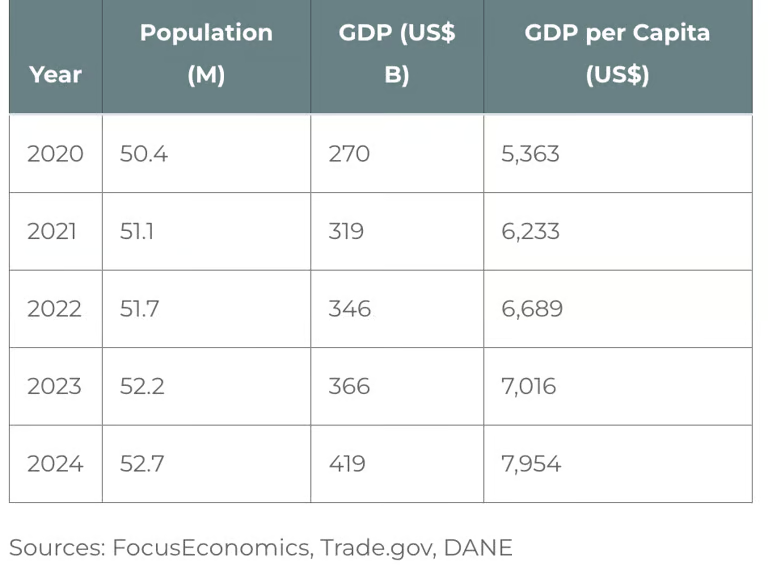
Key Colombia Market Data (2020–2024)
Below is a snapshot of essential economic and demographic indicators to guide market entry decisions:
Corpiya Can Help You Succeed
Successfully entering the Colombian market requires more than strategy—it demands hands-on support from local experts. Corpiya provides comprehensive market entry and company formation services tailored to international businesses.
From registering your Simplified Joint Stock Company (SAS) and navigating taxation, to establishing local operations and compliance, Corpiya helps companies move from planning to execution with confidence. With our insights into the Colombian market and regulatory landscape, your business can accelerate growth, minimize risks, and seize opportunities in Latin America.
Is Colombia Right For Your Business?
With solid economic growth, increasing internet adoption, and an expanding consumer base, Colombia remains an attractive destination for market entry—if supported by strong research, local partnerships, and cultural insight. The data above underscores both the opportunities and pragmatic steps needed to establish a sustainable presence.
If you’re ready to enter the Colombian market with confidence, reach out to Corpiya at contact@corpiya.com or fill out the form below to start building your roadmap for success.
Disclaimer: This article is provided for general informational purposes only and does not constitute legal advice. Sebastien Gaddini is licensed to practice law in New York; this piece addresses business-expansion and compliance topics in a non-legal, informational capacity and should not be relied upon as legal counsel. For advice specific to your situation, consult a qualified attorney licensed in the relevant jurisdiction.

Put These Insights Into Action
Talk to our team about how this applies to your operations — wherever your business takes you, Corpiya is ready to support your next move.
Get In Touch
Related Insights
-
Entity Management System vs. Spreadsheets: Why Companies Make the Switch
Spreadsheets work fine for one or two entities. Past that, they quietly become the biggest risk in your compliance process.…
-

How to Outsource International Back-Office Operations Without Losing Control
Companies that expand into new markets usually replicate their domestic back office locally, country by country — hiring a separate…
-
How Long Does Company Formation Take in Latin America? A Market-by-Market Timeline
Company formation timelines vary widely across Mexico, Brazil, Colombia, Chile, Peru, Ecuador, and Argentina — and the step that actually…