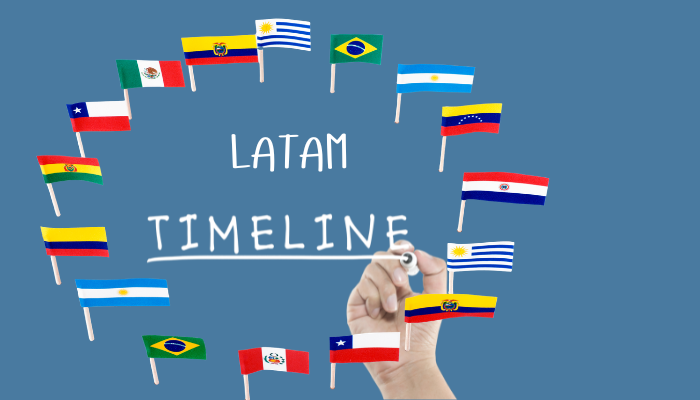

Thinking About Entering Chile’s Market? Here’s the Guide for Global Businesses

Thinking About Entering Chile's Market? Here's the Guide for Global Businesses

Expanding into Chile opens the door to one of Latin America’s most stable, transparent, and opportunity-rich economies. With a strong rule of law and a business climate built on predictability, Chile has become a landing spot for companies looking for regional expansion without unnecessary uncertainty.

But entering a new market—no matter how business-friendly—comes with realities that companies need to understand early. This guide walks through the essentials: what makes Chile attractive, where challenges often appear, and how the right support can make expansion smoother and more strategic.

Why Global Companies Are Choosing Chile?

Chile continues to stand out for one key reason: CONSISTENCY. Its pro-investment policies have remained steady for decades, giving foreign companies confidence that their long-term strategy won’t be derailed by unexpected shifts. Businesses entering Chile benefit from equal legal treatment, strong institutional transparency, and access to one of the world’s broadest networks of free trade agreements—connecting them to major economies across Latin America, the U.S., Europe, and Asia.

Beyond policy, Chile’s diverse economy offers opportunity across technology, renewable energy, mining, agriculture, and professional services. The combination of stability, openness, and global connectivity makes Chile a strategic — and often preferred — entry point into the region.

The Realities of Entering Chile — Beyond the Headlines

While Chile’s market is inviting, foreign companies still face a learning curve. Establishing a presence requires following defined legal steps that differ from other jurisdictions, and aligning with Chile’s tax structure demands careful preparation. Labor standards are another core component—employment practices must follow structured rules that prioritize worker protections.

Then there’s the cultural side: Chilean business culture is formal, relationship-driven, and patient. Decisions often follow clear hierarchies, and trust-building plays a significant role in negotiations. Companies that recognize and adapt to these norms are often the ones who gain momentum the fastest.

What Every Entrant Should Be Ready For

Before launching in Chile, companies should expect to complete several essential steps:

  • Establishing a recognized presence or structure for operating locally

  • Registering foreign investment and aligning with Chile’s documentation requirements

  • Setting up tax identification and preparing to operate under local reporting standards

  • Understanding and following Chilean labor expectations

  • Opening local bank accounts and preparing the financial infrastructure needed for day-to-day operations

How Corpiya Supports Market Entry in Chile

Corpiya helps global companies create a smoother, more confident path into Chile’s market:

  • Market Entry Navigation
    Offering direction as companies learn Chile’s regulatory and operational landscape.

  • Operational Readiness Support
    Helping organizations understand the foundational steps needed to begin operating effectively.

  • Local Compliance Awareness
    Providing clarity on core obligations and helping teams stay aligned with Chile’s requirements.

  • Technology-Enabled Processes
    Supporting companies with structured, efficient systems that streamline setup and ongoing operations.

  • Ongoing Advisory
    Delivering continued guidance as companies adjust to local expectations and grow within the Chilean market.

Ready to Explore Chile With Confidence?

Chile offers opportunity—real, sustainable, long-term opportunity—but the companies who succeed are the ones who enter prepared. Corpiya helps organizations move into the Chilean market with clarity, structure, and confidence from day one.

Connect with us at info@corpiya.com or fill out the form below to get tailored support for entering and operating in Chile smoothly and compliantly.

Put These Insights Into Action

Talk to our team about how this applies to your operations — wherever your business takes you, Corpiya is ready to support your next move.

Get In Touch

Contact - Send us a message

Related Insights

Back to All Insights

Growing in Mexico? Here’s Why the Right Legal Partner Makes All the Difference

Growing in Mexico? Here's Why the Right Legal Partner Makes All the Difference

Mexico is full of potential for companies looking to grow — but its modernizing regulatory environment demands knowledgeable legal support. From hiring and entity setup to contracts and operations, the right legal partner helps you interpret new requirements, avoid delays, and operate with clarity.

When laws change quickly, legal risk increases even faster

From new employment requirements to contract structuring, contractor regulations, corporate governance obligations, and cross-border compliance under USMCA, businesses need more than basic legal support — they need local expertise.

So how can companies stay protected while keeping growth on track?

Why Legal Representation Matters More Than Ever in Mexico

Operating in Mexico today requires navigating:

  1. A Changing Regulatory Environment
    Mexico has introduced reforms that reshape how companies interact with regulators, obtain permits, and structure contracts. Legal certainty is increasingly dependent on having updated, localized insights.

  2. Evolving Labor Standards
    From strict rules around outsourcing to detailed employment contract requirements and mandatory policies, labor compliance is no longer optional — it’s essential.

  3. Nearshoring Pressures
    With nearshoring accelerating, companies face higher scrutiny on labor practices, environmental compliance, foreign trade documentation, and anti-corruption controls.

  4. Heightened ESG & Reporting Requirements
    ESG obligations — once voluntary — are now tied to financial reporting, investment decisions, and supply-chain participation.

Even a small oversight — a missing clause in a contract, an outdated policy, or a misclassified worker — can trigger penalties, operational delays, or lost business opportunities.

Reliable Legal Representation for Your Local Entity

Having a qualified local legal representative is essential for meeting Mexico’s regulatory requirements and protecting your business. The right partner helps safeguard your interests, reduce exposure to risk, and keep operations running smoothly.

Trusted Legal Representation for Your Subsidiary or Branch

Choosing a legal representative — often referred to as a nominee director — is a major decision. This individual acts on your behalf, signs official documents, and helps manage legal matters. Selecting the wrong person can create compliance challenges or operational risks.

Corpiya’s experienced legal team provides dependable representation that supports your business at every stage. We help manage routine legal responsibilities, assist with negotiations and disputes, and ensure your local entity stays aligned with Mexican regulations. With Corpiya, you gain a trusted partner who reduces legal risk and keeps your operations protected, so you can focus on running and growing your business.

Have questions about legal representation in Mexico?

Reach out at info@corpiya.com or fill out the form below to ensure your entity stays compliant and protected.

Put These Insights Into Action

Talk to our team about how this applies to your operations — wherever your business takes you, Corpiya is ready to support your next move.

Get In Touch

Contact - Send us a message

Related Insights

Back to All Insights

Brazil Tightens IOF: How New Rules Impact Your Cross-Border Payments

Brazil Tightens IOF: How New Rules Impact Your Cross-Border Payments

Brazil’s latest IOF (Portuguese Tax on Financial Transactions) changes, driven by Decree 12,466/2025, are reshaping cross-border payments, Foreign Exchange (FX) operations, and treasury activities. Although Decree 12,499/2025 later softened some hikes, the Supreme Court’s intervention has added further uncertainty, partially reinstating the rollback.

These developments mean higher costs and more compliance complexity for companies sending money abroad, managing FX flows, or conducting corporate financial operations. In such a volatile environment, structured corporate-services support has never been more valuable.

Key IOF Changes in Brazil

Higher IOF-Credit Rates: Tax on credit between Brazilian companies rose from 0.38% + 0.0041% per day (capped at 1.88%) to 0.95% + 0.0082% per day (capped at 3.95%) for fixed-term credit. Companies should reassess credit operations and supplier financing strategies.

Outbound FX Rates Increased:

  • Short-term loans (up to 364 days): from 0% → 3.5%

  • Credit/debit card payments abroad: from 3.38% → 3.5%

  • Transfers to foreign accounts: from 1.1% → 3.5% (except for investments, which remain at 1.1%)

  • Acquisition of foreign currency (cash): 1.1% → 3.5%

Forfeit Transactions Considered Credit: Advance payments to suppliers and similar financing are now treated as credit operations, impacting IOF-credit calculations.

Additional Adjustments: Certain high-value pension plan contributions, micro-individual companies, and some cooperatives are subject to new IOF provisions.

Implications for Companies

Higher Costs: Cross-border payments and FX operations are now more expensive.

  • Compliance Complexity: Companies must adapt reporting and operational processes to meet updated IOF requirements.

  • Operational Planning: Treasury teams need to revisit cash flow forecasts, investment strategies, and supplier financing.

  • Regulatory Uncertainty: Supreme Court interventions add unpredictability, making proactive oversight essential.

How Corpiya Can Help

In a fast-changing IOF landscape, Corpiya provides tailored corporate services to reduce risk and streamline operations:

  • Entity Setup & Registered Office: Establish compliant local entities and addresses to optimize tax and payment flows.

  • Tax & Audit Support: Manage local tax filings, cross-border reporting, and IOF compliance.

  • Corporate Governance: Handle annual filings, UBO registers, and ongoing regulatory obligations.

  • Payroll & HR (PEO/EOR): Ensure compliant payroll, benefits, and employment contracts in Brazil.

  • HR Admin & Back-Office: Streamline onboarding, attendance tracking, and leave management.

  • Tech-Enabled Oversight: Use the Honeybee platform to monitor transactions, FX exposure, and forecast IOF impact.

  • Risk & Regulatory Advisory: Stay ahead of legislative changes, optimize cash flow, and minimize legal exposure.

With Corpiya, businesses can navigate Brazil’s cross-border tax changes confidently while focusing on growth, not compliance headaches.

Stay Compliant and Efficient in Brazil

Managing IOF changes doesn’t have to slow down your operations. Corpiya’s experts guide companies through Brazil’s evolving tax landscape, providing the tools and support to optimize costs and maintain regulatory compliance.

Contact Corpiya today via the form below or at info@corpiya.com to learn how we can help you manage cross-border payments and FX operations with confidence.

Put These Insights Into Action

Talk to our team about how this applies to your operations — wherever your business takes you, Corpiya is ready to support your next move.

Get In Touch

Contact - Send us a message

Related Insights

Back to All Insights

Historic Shift in Colombia’s Labor Laws: Key Changes and How Businesses Should Respond

Historic Shift in Colombia's Labor Laws: Key Changes and How Businesses Should Respond

Colombia is introducing one of its most significant labor overhauls in decades. The reform affects work hours, contracts, gig workers, remote employees, and apprenticeships. With Senate approval complete and reconciliation underway in the House of Representatives, preparation is critical for any business operating or hiring in Colombia.

The reform aims to strengthen worker protections, improve job stability, and modernize labor laws that have lagged behind the realities of today’s workforce. For employers, this means new responsibilities, compliance requirements, and potential cost impacts — making early planning essential.

Why This Reform Is a Turning Point for Employers?

Colombia’s labor market has historically struggled with temporary contracts, informal work, and gaps in worker protections. This reform seeks to correct these imbalances by introducing clearer standards for employers while expanding protections for employees.

Businesses with shift workers, gig workers, or remote Colombian staff will be most affected. Even companies hiring Colombian talent remotely from abroad need to understand the new rules to remain compliant. While the reform is not yet in effect as of June 2025, organizations that start preparing now will face fewer disruptions later.

Key Changes in Colombian Labor Law

  • Work Hours & Pay: Night work now starts at 7 p.m. Sunday and holiday pay will increase progressively to 100% by 2027. Overtime is capped at 12 hours per week. Employers should plan for higher labor costs, particularly for shift-based roles.

  • Indefinite Contracts Are Now Standard: Unless the contract specifies otherwise, employees can assume their employment is ongoing with no set end date. Fixed-term contracts automatically convert to indefinite after four renewals or five years.

  • Gig Workers Must Be Included in Social Security: App-based and freelance workers gain access to social security benefits. Employers cannot require exclusivity, and platforms must provide human oversight of algorithms to ensure fair treatment.

  • Remote Work Provisions: Eligible employees are entitled to a connectivity allowance. Larger companies must consider hybrid work arrangements, formalizing remote options and associated benefits.

  • Vulnerable Worker Protections: Pregnant employees, individuals with disabilities, near-retirement staff, and rehabilitated workers receive stronger protections under the new law. Companies should review HR policies to ensure compliance.

  • SENA Apprenticeships: Apprentices participating in the National Apprenticeship Service program now require formal contracts. Pay rises from 75% of the minimum wage in year one to 100% in year two.

How Corpiya Supports Businesses Through Colombia’s Labor Reform

Navigating Colombia’s labor reform requires careful planning. Corpiya supports organizations with:

  • HR & Payroll Compliance: Ensuring contracts, benefits, and payroll are accurate under new rules.

  • Corporate & Advisory Guidance: Assisting with legal structures, hiring models, and outsourcing strategies.

  • Cost & Risk Management: Helping businesses forecast costs, plan scenarios, and manage potential penalties.

  • Preventing Legal Issues: Conducting audits and establishing processes to prevent fines and exposure.

By working with Corpiya, companies can stay compliant, reduce risk, and streamline HR operations while adapting to Colombia’s evolving labor landscape. To learn more or get started, contact us via the form below or at info@corpiya.com

Put These Insights Into Action

Talk to our team about how this applies to your operations — wherever your business takes you, Corpiya is ready to support your next move.

Get In Touch

Contact - Send us a message

Related Insights

Back to All Insights

Why Strong Corporate Services Are the Backbone of Global Growth

Why Strong Corporate Services Are the Backbone of Global Growth

In today’s global economy, opportunities for expansion have never been greater — but neither have the complexities that come with them. From navigating multi-jurisdictional compliance to maintaining accurate records and governance, businesses must balance agility with structure.

At Corpiya, we believe that sustainable growth begins not just with vision, but with the right foundation. Corporate services — often operating behind the scenes — form the invisible framework that enables companies to scale efficiently, operate confidently, and remain compliant wherever they do business.

The Foundation of Corporate Stability

A company’s legal and operational structure defines how it grows, how it’s governed, and how it’s perceived by stakeholders. Without a sound foundation, even the most innovative businesses can falter.

Corporate services encompass the essentials that keep organizations steady — from company formation and annual compliance to corporate secretarial and registered office services. These aren’t just administrative requirements; they’re the framework that ensures accountability, transparency, and long-term resilience.

When your structure is managed properly, you reduce risk, improve governance, and create space to focus on what matters most — your core business.

Building a Foundation for the Future

The corporate world is shifting toward agility — and that requires strong infrastructure. Companies that integrate compliance, governance, and transparency into their DNA are the ones that sustain success over time.

Corpiya helps organizations future-proof their structures through:

  • Strategic entity formation and management

  • Annual and statutory compliance oversight

  • Corporate secretarial support

  • Legal representation and registered office solutions

Our holistic approach enables companies to operate with confidence, scale efficiently, and maintain their reputation in every jurisdiction.

Why Businesses Trust Advisors for Expansion

At their core, advisory services are about confidence and clarity. Leaders can move forward knowing that every decision—from entity setup to merger integration—is backed by expert insight and proven strategy. By leveraging both global knowledge and local expertise, businesses gain:

  • Clearer pathways into new markets

  • Stronger decision-making supported by data and analysis

  • Streamlined compliance and tax processes

  • Long-term strategies designed for scalability and sustainability

Turning Corporate Services Into Competitive Strength

Behind every successful organization lies a strong foundation — one built on structure, compliance, and governance. Corporate services may not always take the spotlight, but they’re what allow innovation, strategy, and growth to flourish.

At Corpiya, we help businesses turn corporate infrastructure into a strategic advantage—bringing together entity management, compliance, governance, and local expertise so every part of your organization is positioned to support sustainable growth. Whether you’re entering a new market, restructuring your global footprint, or managing an increasingly complex corporate structure, Corpiya provides the clarity and control to move forward with confidence.

Ready to build a stronger foundation for your next stage of growth? Contact us at info@corpiya.com or fill out the form below to explore how Corpiya can support your global expansion.

Put These Insights Into Action

Talk to our team about how this applies to your operations — wherever your business takes you, Corpiya is ready to support your next move.

Get In Touch

Contact - Send us a message

Related Insights

Back to All Insights

Updated Anti-Money Laundering Law is Here: Is Your Business Ready for EU Ownership Transparency?

Updated Anti-Money Laundering Law is Here: Is Your Business Ready for EU Ownership Transparency?

The EU is raising the bar on transparency—and it could affect your business sooner than you think. But what does this really mean, and how can you prepare without getting lost in the complexity?

The Sixth Anti-Money Laundering Directive (AMLD6), along with the Anti-Money Laundering Regulation (AMLR) and the new AML Authority (AMLA), is the EU’s most comprehensive update to combat money laundering and terrorist financing. These rules will change how companies track, report, and verify beneficial ownership—and noncompliance can carry serious consequences, from fines to reputational damage.

Why Beneficial Ownership Transparency Matters

Have you ever wondered who truly owns a company? That’s exactly what AMLD6 wants to clarify. The directive ensures that the “real owners” of companies, trusts, and other legal arrangements are clearly documented and accessible to authorities—and even to the public under certain circumstances.

Member States will maintain central beneficial ownership registers with detailed, up-to-date information. Bank, payment, securities, and crypto accounts will also be traceable through interconnected EU systems. Financial Intelligence Units (FIUs) gain expanded powers to analyze transactions, suspend suspicious activity, and cooperate across borders—all while protecting fundamental rights.

For businesses, this means one thing: transparency is no longer optional. Getting it right reduces risk, prevents financial crime, and builds trust with partners, investors, and regulators.

How Corpiya Supports Compliance

AMLD6’s requirements touch on areas where Corpiya’s solutions naturally support businesses:

Entity Management & Compliance
Companies must maintain accurate, up-to-date ownership records. Corpiya centralizes and automates these records, making it easier to comply with beneficial ownership disclosure rules.

Global Corporate Secretarial Support
Different EU jurisdictions may implement AMLD6 in varying ways. Corpiya helps businesses manage filings, ownership updates, and regulatory reporting across all markets, ensuring consistent compliance.

Data Management & Transparency Tools
With transparency at the heart of AMLD6, Corpiya’s secure data solutions allow ownership information to be stored, tracked, and accessed for audits or regulatory checks, helping meet EU standards for disclosure and accountability.

Preparing for the Future

Deadlines for AMLD6 transposition range from 2025 to 2029, giving companies time—but not forever.

To stay ahead, businesses should:

  • Review AML and CFT policies

  • Strengthen beneficial ownership verification

  • Use technology for monitoring and reporting

  • Conduct risk assessments across all operations

The right preparation today allows organizations to navigate AMLD6 confidently while keeping operations smooth and compliant.

Don’t Wait to Get Compliant

AMLD6 isn’t just a regulatory hurdle—it’s a chance to strengthen transparency, reduce risk, and build trust across your organization. Corpiya makes compliance simpler, safer, and smarter.

The benefits of Corpiya’s services in supporting compliance with AMLD6 can be seen across entity management, corporate secretarial support, and data transparency—helping businesses meet the directive’s requirements with confidence.

Reach out to info@corpiya.com or fill out the form below to start simplifying compliance and regulatory requirements for your business.

Put These Insights Into Action

Talk to our team about how this applies to your operations — wherever your business takes you, Corpiya is ready to support your next move.

Get In Touch

Contact - Send us a message

Related Insights

Back to All Insights

Is BPO Still Just About Cost Savings—or a Strategic Growth Engine?

Is BPO Still Just About Cost Savings—or a Strategic Growth Engine?

Business Process Outsourcing (BPO) used to be seen primarily as a way to cut costs. Today, it’s much more than that. With advances in technology, AI, and data analytics, BPO has evolved into a strategic enabler—helping businesses personalize customer interactions, improve efficiency, and drive measurable results.

However, as BPO becomes more sophisticated, the question shifts from whether to outsource to how to outsource strategically. But how can companies leverage BPO strategically without compromising quality, security, or oversight?

From Cost-Cutting to Strategic Impact

BPO is no longer just about moving tasks offshore to save money. Modern companies are using BPO providers to:

  • Deliver personalized customer experiences using AI-powered tools

  • Track and improve key metrics like Net Promoter Score (NPS) and First Contact Resolution (FCR)

  • Ensure compliance with data protection regulations like GDPR and CCPA

  • Free internal teams to focus on high-value, strategic initiatives

But with greater impact comes greater complexity.

Nearshoring and Onshoring: The Strategic Advantage

As data security and oversight become more critical, companies are reconsidering traditional offshore models. Nearshoring (outsourcing to neighboring countries) and onshoring (keeping services in the home country) offer distinct advantages:

  • Better oversight and collaboration: Proximity allows for easier communication and real-time monitoring

  • Time-zone alignment: Teams can work alongside internal staff for faster problem resolution

  • Cultural alignment: Shared business norms and language fluency enhance service quality

  • Data protection: Stronger control over sensitive information reduces risk

This shift shows that outsourcing is no longer just about labor arbitrage—it’s about control, quality, and strategic fit. By carefully choosing the location of outsourced operations, businesses can combine cost efficiency with operational security and high-quality service.

Modern BPO as a Strategic Advantage

BPO today goes far beyond handling routine tasks—it drives measurable business results. Companies are using outsourcing to respond faster, resolve issues on the first contact (FCR), and track customer satisfaction through metrics like Net Promoter Score (NPS).

Advanced AI and data analytics enable providers to predict customer needs, optimize processes, and personalize interactions at scale—reducing errors and costs while improving service quality.

Paired with nearshoring or onshoring, BPO becomes scalable, secure, and strategically aligned, transforming outsourcing into a competitive advantage. This combination also lays the foundation for value-based contracts focused on measurable outcomes.

How Corpiya Makes BPO Strategic and Seamless

Corpiya helps businesses use BPO as a growth tool, not just a way to cut costs. Our approach blends people, processes, and technology—ensuring every outsourced function supports your larger strategy. We combine AI-powered customer service, secure processes, and flexible solutions so your team can focus on what matters most.

With Corpiya, your operations stay aligned, your data stays protected, and your customer experience continuously improves—all while scaling intelligently.

Ready to transform your operations? Contact Corpiya today with the form below or at info@corpiya.com.

Put These Insights Into Action

Talk to our team about how this applies to your operations — wherever your business takes you, Corpiya is ready to support your next move.

Get In Touch

Contact - Send us a message

Related Insights

Back to All Insights

Why ESG Sustainability Isn’t Optional: The Business Case for Going Green

Why ESG Sustainability Isn't Optional: The Business Case for Going Green

For years, many companies treated ESG sustainability as a reporting requirement or a side project handled by CSR teams—something nice to have but not essential to business strategy.

Today, that mindset no longer works. ESG sustainability is now a core business approach, linking environmental responsibility, social impact, and strong governance to real business performance. Companies that embrace it aren’t just improving their reputation—they’re driving efficiency, reducing costs, and gaining a measurable competitive edge.

Why Businesses Can’t Ignore ESG Sustainability

Investor expectations, regulatory requirements, and client demands are making ESG sustainability a strategic priority. Companies that embed these principles into their operations not only manage risks more effectively but also strengthen growth, attract top talent, and stay ahead of market trends. Those that lag behind risk inefficiencies, slower growth, and missed opportunities.

The Numbers Speak for Themselves

Taking ESG sustainability seriously isn’t just the right thing to do—it delivers real results. Companies that integrate ESG practices strategically have seen measurable advantages:

  • 18% higher revenue growth compared to competitors who treat sustainability as an afterthought.

  • 53% more likely to outperform peers in profitability.

  • 57% more likely to attract and retain top talent, strengthening teams for long-term success.

  • 15% reduction in operational costs by streamlining processes and improving efficiency.

These figures show that ESG sustainability isn’t just a trend—it’s a competitive edge that directly impacts growth, performance, and talent retention.

The Path Forward

The companies that thrive in today’s business landscape are the ones that treat ESG sustainability as an integral part of their operations—not a secondary task. By embedding ESG principles into strategy, decision-making, and culture, businesses can turn potential challenges into growth opportunities and measurable success.

How Corpiya Can Help?

Corpiya helps organizations bring ESG sustainability to life—beyond policies and reports. We work with businesses to align structures, governance, and operations with global ESG standards, turning compliance goals into measurable impact. Through our advisory, HR, and technology solutions, we make it easier to embed ESG sustainability into everyday decision-making, driving transparency, efficiency, and long-term value.

To learn how Corpiya can help you turn ESG sustainability into a real business advantage, contact us via the form below or at info@corpiya.com.

Put These Insights Into Action

Talk to our team about how this applies to your operations — wherever your business takes you, Corpiya is ready to support your next move.

Get In Touch

Contact - Send us a message

Related Insights

Back to All Insights

LLC or Corporation: Which Is Right for Your Business Structure?

LLC or Corporation: Which Is Right for Your Business Structure?

Choosing how to structure your business is one of the most important legal decisions you’ll ever make. The right choice can protect your personal assets, optimize taxes, and set your company up for growth. The wrong one can lead to unnecessary complexity—or worse, exposure to risk.

At Corpiya Counsel, we help business owners make this decision with confidence through transparent, subscription-based legal support that eliminates hourly billing surprises. Let’s break down the differences between an LLC and a Corporation, and how to decide which best fits your goals.

What Is an LLC?

A Limited Liability Company (LLC) is a flexible business structure that combines the simplicity of a sole proprietorship with the liability protection of a corporation. It’s often the go-to choice for small businesses, freelancers, and startups that want legal protection without the formality of corporate governance.

Key benefits of an LLC:

  • Limited liability protection: Owners (called members) aren’t personally liable for business debts.

  • Flexible management: You can run the company yourself or appoint managers.

  • Pass-through taxation: Profits and losses pass through to your personal tax return—no corporate taxes.

  • Fewer formalities: LLCs don’t require annual shareholder meetings or corporate minutes.

When an LLC makes sense:
If you’re running a small or medium-sized business that values flexibility, wants to minimize paperwork, and doesn’t plan to raise venture capital soon, an LLC is likely the best fit.

What Is a Corporation?

A Corporation is a more formal legal entity that’s separate from its owners (shareholders). It’s designed for businesses that want to raise capital, issue stock, or attract investors.

Key benefits of a corporation:

  • Investor-ready structure: Corporations can issue shares and attract outside investment.

  • Perpetual existence: The company continues even if ownership changes.

  • Potential tax advantages: Corporations can retain earnings and deduct benefits.

  • Enhanced credibility: Corporations often appear more established to banks and investors.

When a Corporation makes sense:
If you’re planning to scale, seek investors, or eventually go public, a corporation offers the structure and credibility you’ll need. However, it comes with stricter compliance requirements—like annual meetings, bylaws, and board oversight.

The Legal Bottom Line

Your business structure shapes everything—from how you pay taxes to how you make decisions and protect your assets. Choosing between an LLC and a Corporation isn’t just about paperwork—it’s about aligning your legal framework with your business goals.

That’s why Corpiya Counsel’s subscription-based legal plans make so much sense. Instead of paying unpredictable hourly fees, you get continuous legal guidance to structure, manage, and evolve your company as it grows—without worrying about every billable minute.

Final Thoughts

Whether you’re forming your first business or restructuring an existing one, getting the legal foundation right can save you time, money, and stress down the road.

At Corpiya Counsel, we believe in transparent, predictable legal support. Our subscription model gives you access to experienced corporate attorneys who help you choose, form, and maintain your business entity—so you can focus on building, not worrying.

Ready to find out which structure fits your business best?
Start your legal subscription with Corpiya Counsel today and get the clarity your company deserves. Email us at contact@corpiya-counsel.com to learn which subscription package fits your organization.

Put These Insights Into Action

Talk to our team about how this applies to your operations — wherever your business takes you, Corpiya is ready to support your next move.

Get In Touch

Contact - Send us a message

Related Insights

Back to All Insights

Cross-Border M&A: The Compliance Pitfalls No One Talks About

Cross-Border M&A: The Compliance Pitfalls No One Talks About

Beyond the Deal:

Hidden Compliance Traps in Cross-Border Mergers and Acquisition are often framed as bold strategic moves — expanding markets, diversifying portfolios, or gaining competitive advantage. But beneath the headline-grabbing numbers lies a complex layer of compliance risk that can quietly erode deal value if overlooked.

Cross-border transactions in particular carry unique challenges. Each jurisdiction has its own regulatory environment, disclosure requirements, tax regimes, and cultural nuances. It’s not just about getting the deal signed — it’s about making sure the integration stands on a legally sound foundation.

So, what are the compliance traps that too often go unnoticed?

1. Regulatory Nuances Lost in Translation

What looks like a minor filing in one country may be a deal-breaker in another. Local regulators can take issue with ownership structures, capital controls, or even specific industries. Missing these details can delay closing — or worse, trigger penalties.

Tip: Map compliance requirements early with on-the-ground expertise, not just headquarters assumptions.

2. Labor & HR Compliance

Acquiring a workforce across borders means inheriting everything from employee contracts to pension obligations. In many countries, local labor protections are far stronger than in the U.S. or Western Europe. Failing to honor them can spark costly disputes and reputational damage.

Tip: Due diligence must go deeper than financials. HR and labor law reviews are critical.

3. Tax Structures That Don’t Travel Well

What makes sense in one tax jurisdiction can unravel in another. Transfer pricing, VAT, and double-taxation risks often lurk beneath the surface. In some cases, poor structuring can lead to years of disputes or unexpected liabilities.

Tip: Engage advisors with cross-border tax expertise before finalizing deal terms.

4. Anti-Bribery & Corruption Risks

Expanding into new markets may mean exposure to regions with higher corruption risks. Even a minor oversight in local vendor relationships can lead to major violations of international anti-bribery laws (like the U.S. FCPA or UK Bribery Act).

Tip: Robust compliance checks should extend beyond the target company to its suppliers, distributors, and partners.

5. Data Privacy & Cybersecurity

With GDPR, CCPA, and a wave of new privacy laws worldwide, data handling has become a frontline compliance issue. Acquiring customer or employee data without ensuring regulatory alignment can result in fines — and mistrust from stakeholders.

Tip: Always integrate data privacy assessments into M&A due diligence.

Conclusion: Compliance as a Value Protector

Cross-border M&A isn’t just about creating synergies or cutting costs — it’s about building sustainable value. Compliance may not be glamorous, but overlooking it can turn an exciting acquisition into an expensive cautionary tale.

The most successful deals aren’t just well-negotiated; they’re well-prepared. By anticipating compliance pitfalls early and partnering with experts who understand both global and local landscapes, companies can protect deal value and accelerate integration with confidence.

At Corpiya, we help organizations navigate complex regulatory and compliance challenges in cross-border growth. Because in today’s environment, protecting value is just as important as creating it.

For more details on how Corpiya can support your merger and acquisition needs to make your operations more efficient and productive, contact us today at info@corpiya.com or fill out the form below.

Put These Insights Into Action

Talk to our team about how this applies to your operations — wherever your business takes you, Corpiya is ready to support your next move.

Get In Touch

Contact - Send us a message

Related Insights

Back to All Insights